






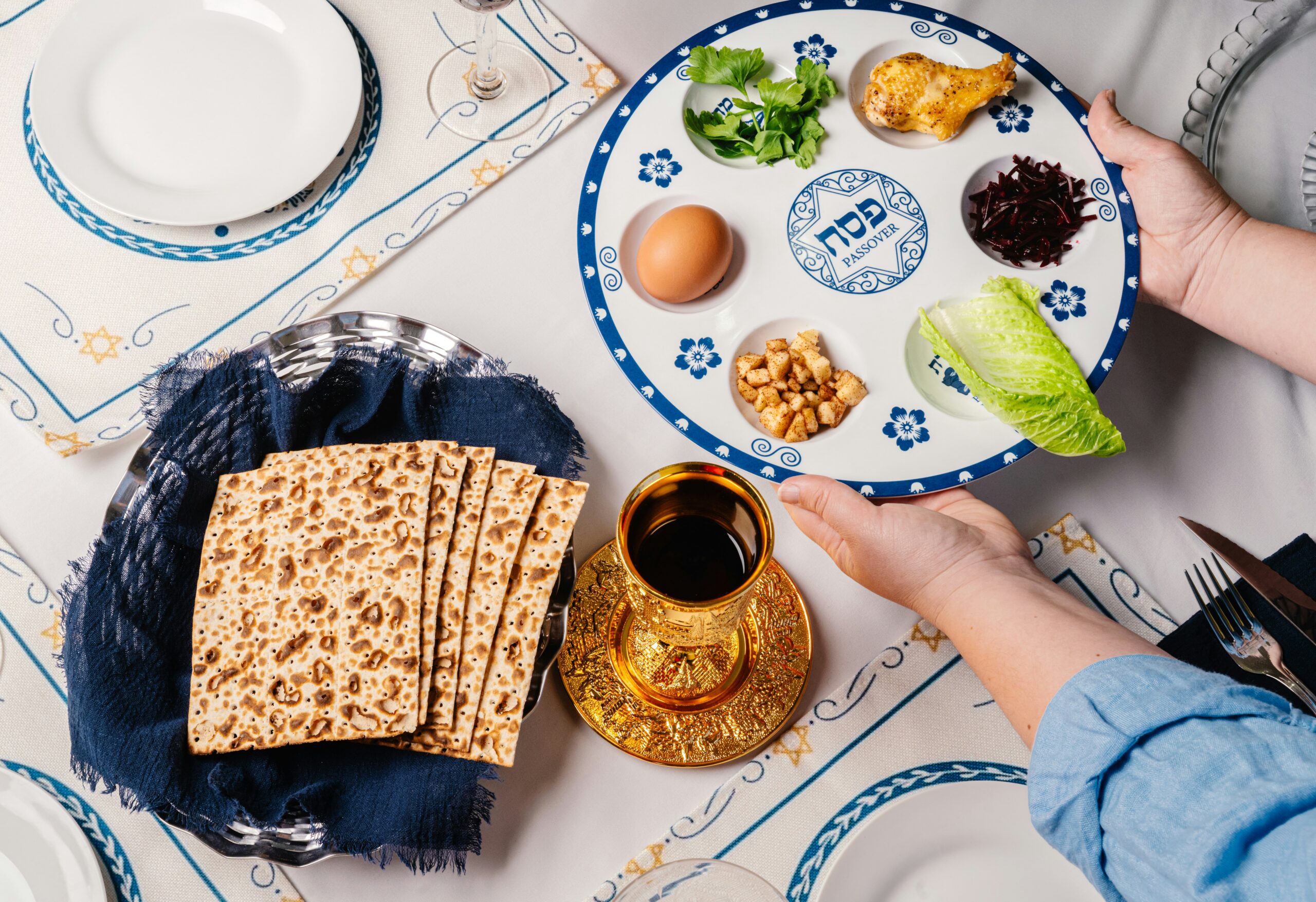
If you have Type 2 diabetes and you keep kosher, challah every Friday night, holiday meals that go on for hours, matzo during Passover, sweet foods for Rosh Hashanah, the standard diabetes diet advice tends to sound like it was written by someone who has never sat through a Seder or understood what declining your bubbe’s kugel actually means. Cut the carbs. Watch the sugar. Skip the bread. And what you are left with does not look anything like the food that anchors Jewish life and observance.
Managing diabetes while keeping kosher does not require choosing between your health and your faith. It requires understanding which parts of traditional Jewish eating are already working in your favor. There are more of them than most diabetes content acknowledges. The adjustments that need to be made fit inside kashrut and inside your real life as an observant Jew.
This guide is for people who know the difference between fleishig and milchig, who have strong feelings about the right way to make gefilte fish, and who are not interested in suggestions that ignore the religious and cultural importance of food in Jewish practice. The goal is to show you how to honor both your tradition and your health.
Why Kosher Dietary Laws Are Good for Managing Diabetes
Before getting into what needs adjusting, it is worth naming what keeping kosher already does right for blood sugar management. Traditional kashrut gets more right than most diabetes advice gives it credit for.
The separation of meat and dairy creates some naturally diabetes-friendly patterns. You cannot have cream sauces on your brisket or cheese on your burger. Many of the heavy, rich combinations that spike blood sugar simply are not possible under kashrut. A fleishig meal centers on lean protein, chicken, fish, beef, with vegetables and starch as sides, which is exactly what works best for blood sugar control.
Traditional Jewish cooking emphasizes foods that are genuinely good for diabetes management. Chicken soup with vegetables provides protein and nutrients without raising blood sugar. Fish, a staple of Jewish cuisine, is excellent for people with diabetes. The vegetables that anchor many traditional dishes, onions, carrots, parsley, dill, are low in carbohydrates and high in nutrients.
The structure of Jewish meals often works in your favor too. A traditional Sabbath dinner includes multiple courses spread over time, which means slower eating and better blood sugar control than wolfing down a large plate all at once. The emphasis on blessing food and eating mindfully, central to Jewish practice, encourages the kind of intentional eating that helps with diabetes management.
The problems tend to come from specific traditional foods, challah, kugel, honey cake, and from holiday eating patterns where sweet foods carry religious significance. But the foundation of kosher eating is often better for blood sugar than people realize.
Can People with Diabetes Eat Challah?
Challah is not going away from Friday night dinner. But the portion size and what you eat alongside it make a real difference.
A typical challah has a glycemic index similar to white bread, around 70-75, which means it raises blood sugar relatively quickly. The egg and sometimes honey in challah can make it slightly higher than regular bread. But challah eaten at the beginning of a meal, followed by protein and vegetables, has a very different blood sugar impact than challah eaten alone.
A reasonable portion is one slice, roughly the size you would use for a blessing, eaten as part of a complete meal. The protein in the chicken or fish course and the fiber in the vegetables slow how quickly the challah affects your blood sugar. The traditional pattern of blessing the bread, then moving through other courses, is actually helpful for blood sugar control.
Some families find that whole wheat challah works well. It is not traditional, but it has a lower glycemic index, around 55-60, and many people find it acceptable for Shabbat. Others stick with traditional challah but are more deliberate about portion size.
During the week, when bread is not carrying religious significance, many people with diabetes find that other options work better. But for Shabbat and holidays, when challah is central to the observance, a small portion as part of a complete meal is manageable for most people.
Can People with Diabetes Eat Traditional Jewish Holiday Foods?
This depends entirely on the specific food and the holiday context.
Passover presents unique challenges because matzo is required for the Seder, and many traditional Passover foods are matzo-based. Matzo has a glycemic index similar to white bread, around 70-80, but it is typically eaten in smaller amounts and as part of a ceremonial meal with multiple courses. The symbolic pieces eaten during the Seder are not usually large enough to cause major blood sugar problems.
The bigger Passover challenge comes from matzo-based dishes like matzo brei, matzo kugel, and charoset made with dates and sweet wine. These combine starch with additional sugars and can raise blood sugar significantly. Smaller portions, shared with family, and eaten as part of meals with protein and vegetables make these more manageable.
Rosh Hashanah traditions around sweet foods for a sweet new year present different challenges. Honey cake, apple with honey, sweet kugel. These are explicitly about sugar, and they matter religiously. The approach that works for most people is to honor the tradition with small, meaningful portions rather than avoiding these foods entirely.
For honey cake, a thin slice shared at the table is different from eating multiple pieces throughout the evening. For apples with honey, a few small slices with a small amount of honey captures the symbolic meaning without the blood sugar spike of a whole apple drenched in honey.
Is Traditional Jewish Cooking Good or Bad for Diabetes?
Traditional Ashkenazi Jewish cooking gets mixed reviews for diabetes, but it is more nuanced than most diabetes advice suggests.
The foundation foods are often excellent. Chicken soup with vegetables, roasted chicken, baked fish, steamed vegetables. These are all good for blood sugar. The herbs and seasonings common in Jewish cooking, dill, parsley, onion, garlic, do not raise blood sugar and add nutrients.
The challenges come from specific traditional preparations. Kugel, whether potato, noodle, or sweet, is typically heavy on starch and often includes sugar or sweet ingredients. A small portion of kugel alongside a protein-rich meal is manageable. Making kugel the center of the meal is harder for blood sugar.
Traditional Jewish baking, rugelach, babka, honey cake, challah, tends to be rich in both flour and sugar. These are occasional foods, not everyday foods, for people managing diabetes. But they are not forbidden foods either. The key is context and portion size.
Sephardic Jewish cuisine often works better for diabetes management because it relies more heavily on vegetables, legumes, olive oil, and fish. Dishes like shakshuka, eggs in tomato sauce, stuffed vegetables, and fish with herbs are naturally diabetes-friendly.
Can People with Diabetes Observe Passover?
Passover dietary restrictions can actually work in favor of blood sugar management, with some adjustments.
The prohibition on leavened bread eliminates many high-glycemic foods for a week. No regular bread, pasta, or typical baked goods. The Passover diet naturally shifts toward proteins, fish, chicken, beef, vegetables, and nuts. All good for diabetes.
The challenge is that many traditional Passover substitutes are also high in carbohydrates. Matzo meal used in place of flour, potato starch, and Passover cakes made with almond flour and lots of eggs and sugar. But these are often used in smaller amounts than their year-round equivalents.
The Seder itself requires specific foods, but the amounts are typically small. The symbolic matzo eaten during the ceremony, a piece the size of an olive for most blessings, is not usually enough to cause blood sugar problems. The four cups of wine can be replaced with grape juice, and the amount is specified and limited.
For the rest of Passover week, focusing on the naturally kosher-for-Passover foods that do not raise blood sugar, meat, fish, vegetables, nuts, makes the observance more manageable for diabetes.
Managing Diabetes During Sabbath Meals
Traditional Sabbath meals can actually support good diabetes management when you understand how to approach them.
The three-meal structure of Shabbat, Friday night dinner, Saturday lunch, and a light third meal, spreads eating across time rather than concentrating it. This is better for blood sugar than eating one or two large meals.
The traditional Friday night dinner starts with challah and wine, then moves through multiple courses, often soup, fish, meat, vegetables, and dessert, spread over several hours. This pacing allows blood sugar to rise and fall gradually rather than spiking quickly.
The key is managing your portions at each course. A small piece of challah, a reasonable serving of soup, a moderate portion of the main course. The social aspect of Sabbath meals, conversation, songs, extended time at the table, naturally slows eating, which helps with blood sugar control.
Saturday lunch is often lighter, cold fish, salads, leftover challah. This can be an easier meal for diabetes management. The third Sabbath meal is traditionally light, maybe fruit, nuts, tea, and often works well for blood sugar.
The challenge comes from families or communities where food hospitality is intense, where declining a dish or taking a small portion might be seen as insulting. Being clear with your host about managing diabetes, while also participating fully in the meal, requires some navigation.
Cooking for a Family When You Are the One with Diabetes
The practical challenge in many Jewish households is not knowing what to eat. It is that you are cooking for Shabbat, holidays, and family meals that are not just about nutrition. The food you make is tied up in tradition, hospitality, and religious observance.
Most adjustments that help blood sugar are simply better cooking for everyone, less sugar in the kugel, more vegetables in the soup, using whole grains when possible. A child eating a slightly less sweet honey cake or more vegetables with their brisket is not being deprived of Jewish culture.
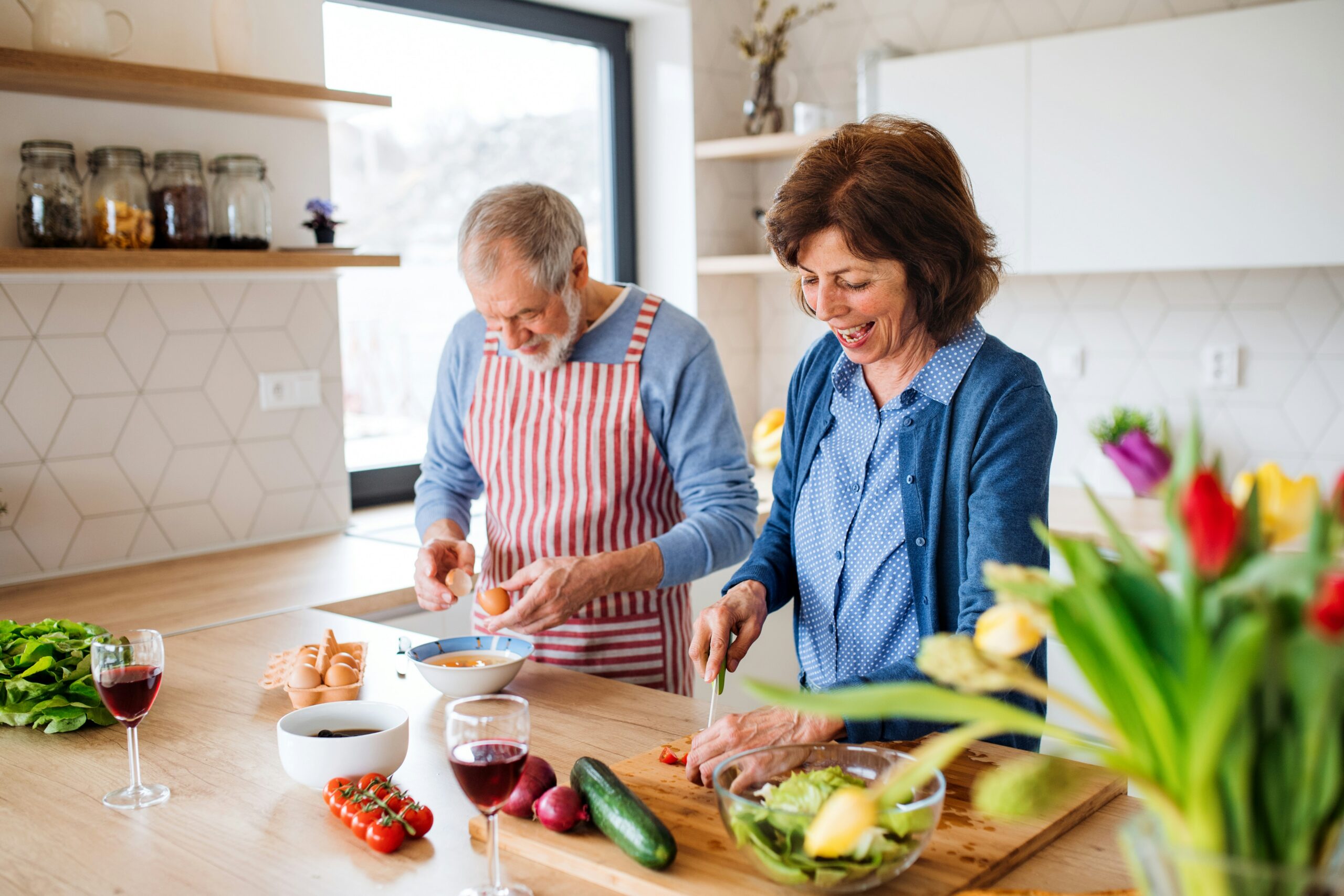
The practical approach is to cook traditional foods for everyone, then manage your own portions. Same recipes. Different amounts on your plate. Your family gets the challah they expect. You take a smaller piece and make sure there is protein and vegetables alongside it.
The harder part is the social expectation around food at Jewish gatherings, the relative who insists you try their kugel, the assumption that food refusal is rude, the holidays where everything is symbolic and meaningful. One meal at a celebration does not determine your A1C. What you eat on ordinary Shabbatot does.
Holiday Eating and Diabetes
Jewish holidays present unique challenges because the food often has religious significance beyond nutrition.
Rosh Hashanah revolves around sweet foods for a sweet new year, honey, apple, pomegranates, sweet challah. The sweetness is not just preferred, it is prescribed by tradition. The approach that works is honoring the symbolism with smaller portions. A thin slice of honey cake, a few apple slices with a small amount of honey, a taste of the sweet foods that make the holiday meaningful.
Passover eliminates many carbohydrate sources but substitutes others, matzo, matzo meal, potato starch. The required Seder foods are typically small portions, but the week-long dietary restrictions can shift eating patterns. Focusing on the Passover foods that do not raise blood sugar, fish, meat, vegetables, nuts, helps maintain good control.
Purim often involves mishloach manot, food gifts, that are heavy on sweets and baked goods. Receiving and giving these packages is part of the observance, but eating everything in them is not required.
Sukkot meals in the sukkah can extend for hours, with multiple courses and lots of hospitality. The same Sabbath meal strategies apply. Participate fully, but manage your own portions.
Managing Diabetes in the Jewish Community
Managing diabetes as an observant Jew often means navigating community expectations around food alongside your health needs.
Jewish communities tend to center around food, Shabbat meals, holiday celebrations, synagogue kiddush, lifecycle events. Being the person who eats differently, even for health reasons, can feel isolating or draw unwanted attention.
Many communities are becoming more aware of dietary restrictions for health reasons. Explaining that you are managing diabetes while maintaining kashrut is usually understood and accommodated. Most Jewish communities have members dealing with similar issues.
The key is finding ways to participate fully in community life while taking care of your health. That might mean eating beforehand when you know the community meal will not have good options for you. Or bringing a diabetes-friendly dish to share. Or being clear with hosts about your needs while also being flexible about solutions.
Blood Sugar Monitoring and Religious Observance
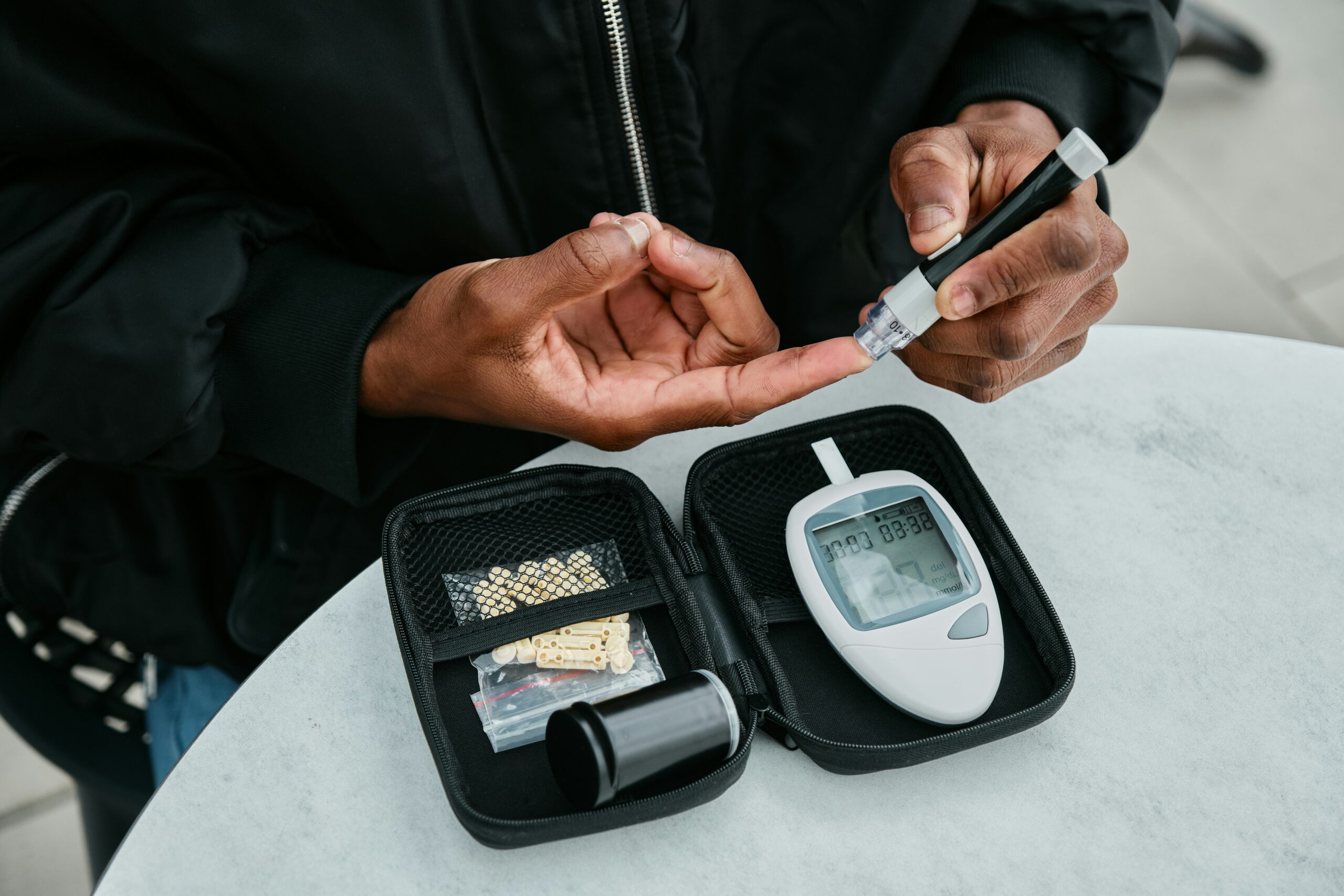
For observant Jews, blood sugar monitoring can intersect with Sabbath and holiday restrictions on medical devices and procedures.
Most rabbinical authorities permit blood glucose monitoring on Sabbath and holidays when it is medically necessary, especially for people using insulin. The principle of pikuach nefesh, preserving life, generally overrides other restrictions when health is at stake.
Some people find continuous glucose monitors helpful because they reduce the need for finger sticks on Sabbath. Others work with their rabbis to understand what monitoring is permitted and necessary.
The key is working with both your healthcare provider and your rabbi to find approaches that protect your health while respecting your religious commitments.
How Chronic Care Management Through Pod Health Can Help
Chronic Care Management through Pod Health connects Medicare members with a dedicated care coordinator who checks in regularly, helps you track patterns in your blood sugar, and works with your doctor to adjust your care when something is not working.
For Jewish Medicare members, this can include understanding how religious observances affect your diabetes management. Your care coordinator can help you plan for holidays, work through challenges around community meals, and find practical solutions that honor both your health and your faith.
Many Jewish Medicare members find it helpful to have someone to call who understands both the medical aspects of diabetes and the cultural context of how food functions in Jewish life. Someone who will not suggest solutions that ignore the religious importance of challah or the social significance of accepting food hospitality.
Pod Health serves Medicare members across all five boroughs of New York City, including Staten Island, Brooklyn, Queens, the Bronx, and Manhattan, as well as Westchester County and Florida. If you are a Medicare member managing Type 2 diabetes while maintaining kosher observance, contact us to speak with a care coordinator to see how we can support you.