








If you have Type 2 diabetes and Jamaican food is how you cook, how your family eats, what Sunday looks like, the standard diabetes diet advice tends to land badly. Cut the rice. Watch the starchy vegetables. Go easy on the coconut milk. And what you’re left with doesn’t resemble anything from your kitchen.
Managing diabetes on a Jamaican diet doesn’t require starting over. It requires understanding which parts of the food you already eat are actually working in your favor, and there are more of them than most diabetes content will tell you. The adjustments that need to be made fit inside your real life, not some nutritionist’s hypothetical one.
This guide is for people who grew up with rice and peas on Sunday, who know what callaloo tastes like, and who are not interested in swapping jerk chicken for grilled tilapia with lemon. The goal is to show you how to keep eating your food while managing your blood sugar better.
Why Traditional Jamaican Cooking Is Good for Managing Diabetes
Before getting into what needs adjusting, it’s worth naming what traditional Jamaican cooking already gets right. Scotch bonnet peppers, thyme, scallion, garlic, ginger, and onion are the seasoning base of most Jamaican cooking, and they’re genuinely good for you. Ginger has evidence behind it for blood sugar regulation. Garlic supports blood pressure. The aromatics at the core of the cuisine are working for you, not against you.
The proteins at the center of Jamaican meals, jerk chicken, curry goat, stewed fish, oxtail are protein-based, which means they don’t raise blood sugar on their own. The problems tend to come from portion size, from what’s served alongside the protein, from the coconut milk and sugar that go into certain dishes, and from foods that have become part of the tradition in their fried or sweetened form. Home-cooked Jamaican food made the traditional way is often much better for blood sugar management than what shows up at a restaurant serving the same dishes in larger portions.
Can People with Diabetes Eat Rice and Peas?
Rice and peas is not going away. But how much you eat, what kind of rice you use, and what is on the rest of your plate all matter.
The “peas” in Jamaican rice and peas are kidney beans, and kidney beans are one of the best foods someone with diabetes can eat. They have a glycemic index of around 28-40, which is very low, because they are high in protein and fiber. Those two things slow digestion and steady blood sugar instead of spiking it. The beans in your rice and peas are genuinely working in your favor.
The rice is where things get more complicated. White rice has a glycemic index of around 64-72, meaning it raises blood sugar relatively quickly. Brown rice comes in around 50-55. Parboiled rice drops to 38-47 because of how the starch is structured after processing, and it cooks and tastes much closer to white rice than brown rice does, which matters if you are cooking for a family that has opinions.
The coconut milk adds fat, which actually slows how quickly the rice raises blood sugar, so the dish has a more gradual effect than plain white rice on its own. That is not a green light to eat unlimited portions, but it does mean the full dish behaves differently than white rice alone.
A smaller portion of rice and peas alongside a protein, jerk chicken, stewed chicken, or fish, is a very different blood sugar event than a large plate of rice and peas by itself. The combination is the thing.
Is Jerk Chicken Good or Bad for Diabetes?
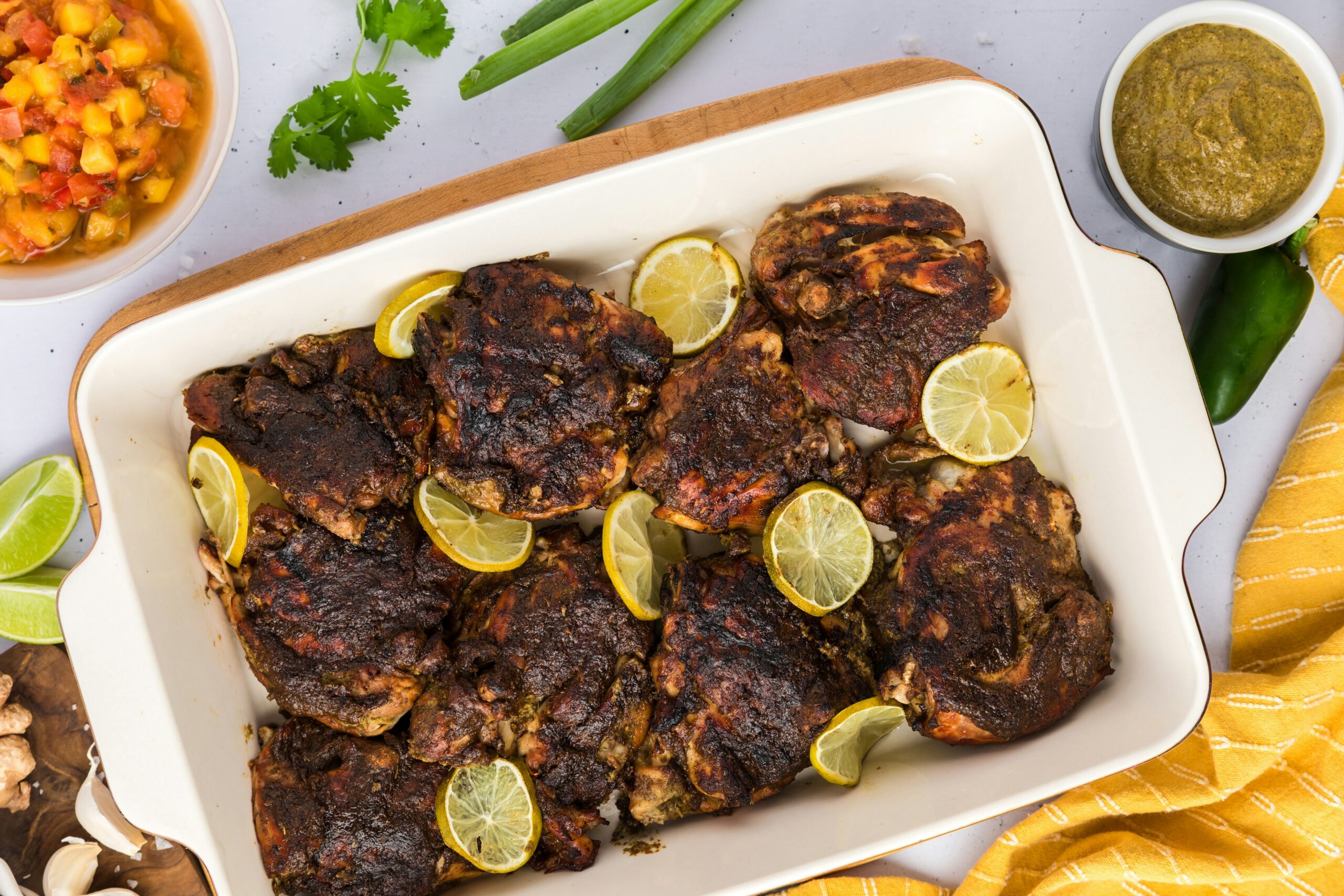
Jerk chicken is one of the better choices for someone managing diabetes, and it is worth understanding why.
Protein and fat do not raise blood sugar the way carbohydrates do. A piece of jerk chicken, whether it is breast, thigh, or leg, contributes essentially nothing to a blood sugar spike. The jerk seasoning itself, built around scotch bonnet, allspice, thyme, garlic, and ginger, has no meaningful effect on blood sugar.
Where jerk chicken can become part of a problem is in what surrounds it on the plate. Rice and peas, festival, fried dumplings, and bammy all at once is a heavy carbohydrate load regardless of the protein. The protein is fine. It is managing the sides together that takes some thought.
Grilled or baked jerk chicken is the cleaner option, not because the seasoning is the issue, but because frying adds calories and fat that can contribute to other health concerns. But if the choice is between jerk chicken and not eating, jerk chicken is not the problem.
Can People with Diabetes Eat Ground Provisions?
Ground provisions, yam, sweet potato, green banana, dasheen, and breadfruit, are a staple of Jamaican cooking and they all affect blood sugar differently. It is worth knowing which ones to lean on more.
Yellow yam has a glycemic index in the range of 37-51 depending on how it is cooked, relatively low for a starchy vegetable. Boiled yam in particular is gentler on blood sugar than many people expect. Sweet potato is similar, coming in around 44-61 depending on preparation; boiling keeps the number lower than baking or roasting. Both are genuinely reasonable options in moderate portions.
Green banana, not ripe banana but the unripe, starchy green one used in cooking, has a low glycemic index, around 38-45, because unripe banana starch digests more slowly. It is a better blood sugar option than ripe banana by a significant margin.
Dasheen (taro) runs around 53-56, which is moderate, similar to parboiled rice. Breadfruit runs higher, around 62-66, closer to white rice. Both are fine in smaller portions alongside protein.
What this means practically: ground provisions are not the enemy. The challenge is eating a large portion of multiple starchy vegetables at the same meal. One moderate serving of yam or sweet potato alongside protein and a leafy green is a reasonable plate. A full serving of yam, rice and peas, and festival together is a much heavier carbohydrate load.
Can People with Diabetes Eat Festival and Fried Dumplings?
Festival, the slightly sweet fried dumpling that shows up alongside jerk at cookouts and festivals, is the item that needs the most honest conversation. It is made from a flour, cornmeal, and sugar base, then deep fried. The combination of refined carbohydrates and sugar means it raises blood sugar quickly, and fried dumplings made from white flour carry a similar effect.
None of this means never. It means festival is a treat rather than a staple, and it means if you are eating it at a gathering, you are managing the rest of your plate accordingly: more protein, less rice, smaller portions of everything else. One piece of festival at a cookout is not what determines your A1C. What you eat on a regular Wednesday is.
Boiled dumplings are somewhat better than fried ones, mostly because frying adds to the caloric load. But the flour base is still refined carbohydrate either way.
Is Callaloo Good for Diabetes?
Callaloo is one of the best things on a Jamaican table for someone managing diabetes, and it does not get enough credit for it.
It is a leafy green, related to amaranth or, in some households, cooked from dasheen leaves, high in fiber, vitamins, and minerals, and very low in carbohydrates. Non-starchy vegetables like callaloo have essentially no negative effect on blood sugar. If anything, the fiber in leafy greens helps slow how quickly other foods at the same meal raise your blood sugar.
Callaloo cooked with a little olive oil, onion, tomato, and scotch bonnet is a genuinely healthy dish by any measure. If you are building a plate for someone managing diabetes, callaloo next to a protein and a moderate portion of rice and peas is close to ideal in terms of structure. More callaloo on the plate means more room to enjoy a reasonable portion of the starch without the total carbohydrate load running too high.
Is Coconut Milk Safe for People with Diabetes?
Coconut milk used in cooking, in rice and peas, in curry, in stews, adds fat, which actually slows how quickly food raises blood sugar. It is higher in saturated fat, which is worth keeping in mind for heart health, but the blood sugar effect of dishes cooked with coconut milk is more gradual than dishes made without it. Moderation applies, but coconut milk in cooking is not the first thing to cut.
Can People with Diabetes Eat Curry Goat or Oxtail?
Both are protein-based dishes and neither raises blood sugar on their own. Curry goat, goat meat braised with curry spices, onion, garlic, scotch bonnet, and thyme, is a lean protein with spices that have, if anything, modest benefits for blood sugar regulation. The dish itself is not the issue.
Oxtail is fattier than goat, and the rich, slow-cooked gravy is typically thickened with the rendered collagen from the bones. The dish is higher in saturated fat than leaner proteins, which matters for heart health. People with Type 2 diabetes have a higher risk of heart disease, so oxtail as a regular weeknight meal is a different situation than oxtail at a Sunday dinner. As the centerpiece of a special meal, it is fine. As the primary protein four nights a week, it is worth varying.
The rice and peas, fried plantains, or ground provisions served alongside these dishes are where the blood sugar management conversation actually lives.
Can People with Diabetes Eat Plantains?
Yes, with some awareness of the difference between ripe and unripe.
Ripe plantains, the yellow or black-skinned ones that are sweet when cooked, have a higher sugar content and raise blood sugar faster. Unripe, green plantains have a lower glycemic index because the starch has not converted to sugar yet. Green plantains boiled or baked have a much gentler effect on blood sugar than ripe plantains fried.
In Jamaican cooking, ripe plantains are often fried as a side. The combination of the ripe sweetness and the frying pushes the blood sugar effect up. One to two fingers of ripe fried plantain alongside a meal is a manageable portion. A larger serving, half a hand or more, on top of rice and ground provisions adds up to a lot of carbohydrate at once, since you’re stacking three starchy foods in a single meal.
If you want to eat plantains more regularly, green plantains cooked in their skin, boiled or roasted, are the more diabetes-friendly version.
Can People with Diabetes Drink Jamaican Sorrel?
Sorrel (hibiscus) has some evidence suggesting it can modestly support blood pressure and has antioxidant properties. The concern is the sugar typically added to Jamaican sorrel drinks. Sorrel sweetened lightly or made with less sugar is fine. The full-sweetened version is essentially a sugary drink and raises blood sugar quickly. If you make it at home, cutting the sugar significantly makes it a much better option.
Cooking for a Family When You’re the Only One with Diabetes
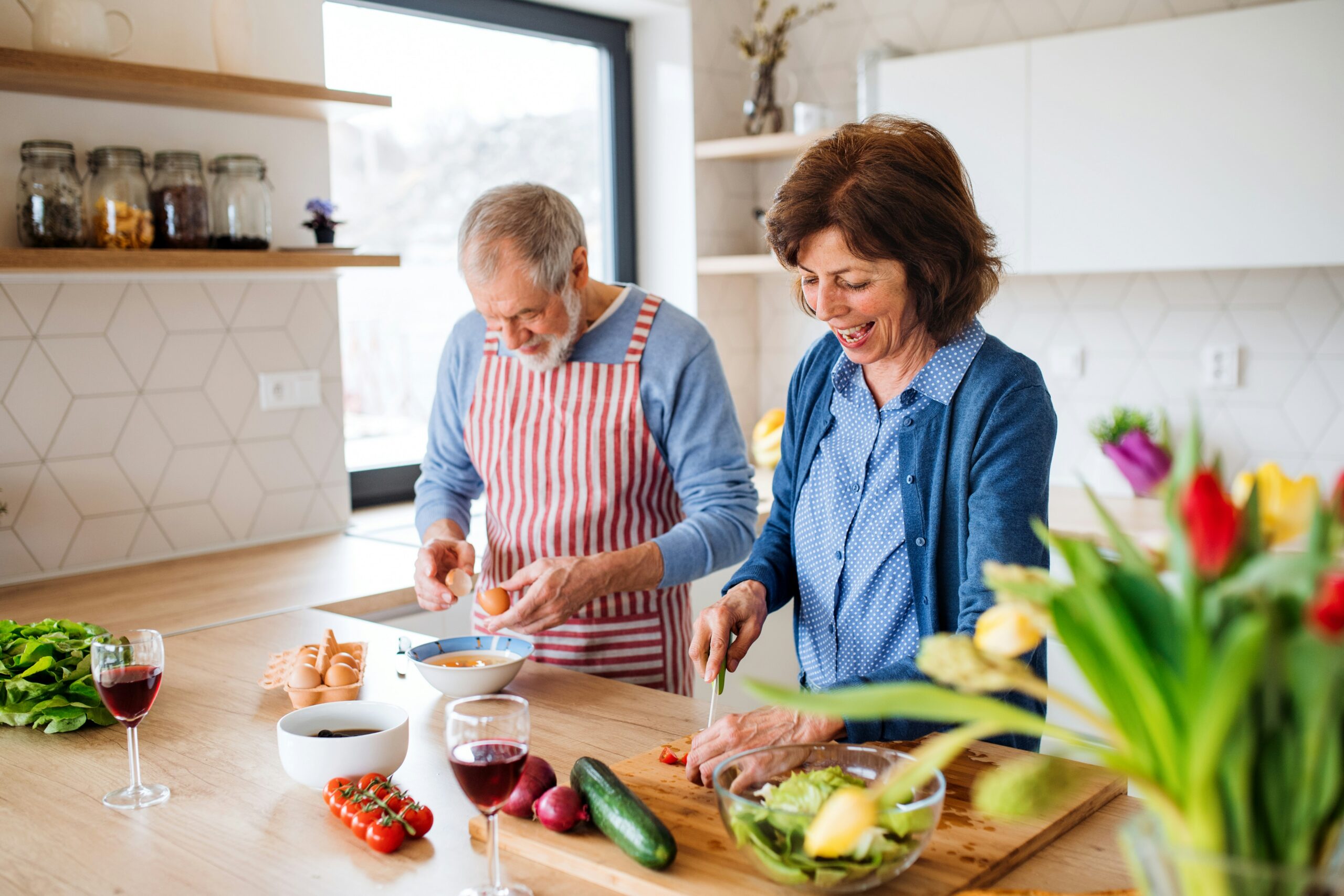
If you are the cook in the household, being told to change how you eat is also being told to change how you cook, and that is a different kind of adjustment. Most of the changes that help you manage blood sugar do not require a separate meal. They require small shifts in technique and portion.
Use less oil where you can. A smaller amount of coconut oil or olive oil gets the job done in most dishes without a noticeable difference in taste. Add more vegetables to the base of stews and curries. Let each person serve their own plate so you are managing your portion without changing what goes into the pot.
Where it gets harder is at large family meals, Sunday dinners, holidays, cookouts, when everything comes out at once and the portions are generous and someone’s grandmother made the cake. One meal at a family gathering does not determine your blood sugar control over time. What you eat on regular days does. For more on navigating those situations, see our guide on what to do at a family gathering when you have diabetes.
Blood Sugar Monitoring: Learning Your Own Patterns
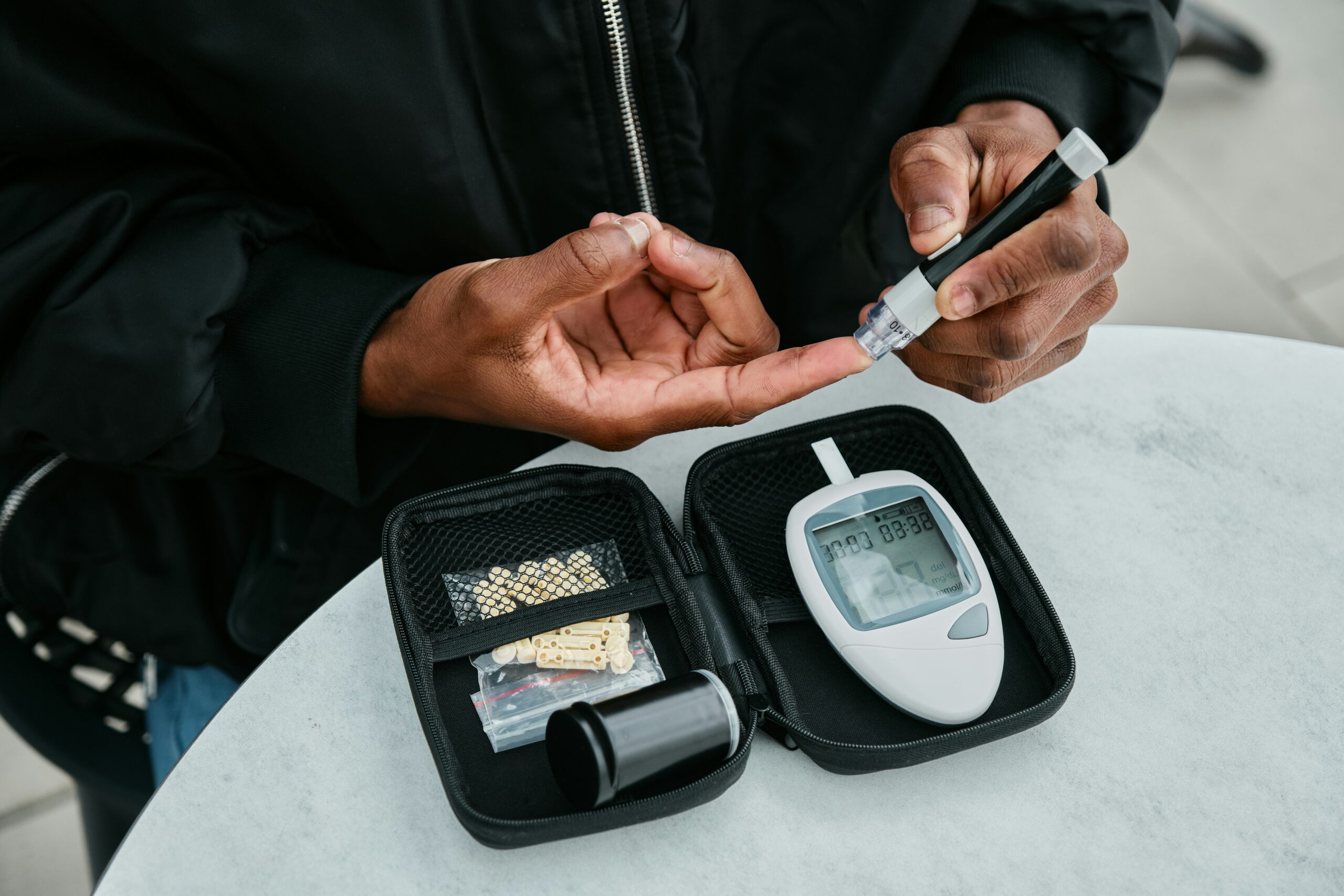
A lot of people find that knowing which specific foods affect them most changes how they think about their diet. Check your blood sugar before a meal, then again two hours after. If the number went up sharply, that combination of foods is worth adjusting. Over time, you start to know your own body’s responses: whether rice and peas in a certain portion spikes you, whether yam sits better than breadfruit, whether eating the chicken first and the starch second actually makes a difference for you personally.
It becomes less guesswork and more information. And if you’re on Medicare, there are programs that can support you in doing exactly this with a care team behind you.
How Chronic Care Management Through Pod Health Can Help
Chronic Care Management through Pod Health connects Medicare patients with a dedicated care coordinator who checks in regularly, helps you track your numbers, answers questions between doctor visits, and works with your doctor to adjust your care plan when something isn’t working.
For people managing diabetes through food, trying to figure out how rice and peas fits into their diet, or whether they can still eat what they’ve always cooked, that kind of ongoing support makes a real difference. It’s not a pamphlet and a good luck. It’s someone who knows your situation and can help you work through it.
Pod Health serves Medicare members across all five boroughs of New York City, including Staten Island, Brooklyn, Queens, the Bronx, and Manhattan, as well as Westchester County, and Florida If you’d like to find out whether you qualify for Chronic Care Management at no cost through Medicare, contact us to speak with a care coordinator.