







Your doctor checks your A1C every few months and tells you the number looks reasonable. But you still feel tired after lunch. You still hit that wall in the afternoon where you can barely keep your eyes open. You wake up some mornings feeling like you never slept. You are hungry again an hour after eating.
That pattern is what a blood sugar spike feels like in daily life. Your A1C gives you a three-month average. It does not show you what is happening in between meals, which is where blood sugar spikes after eating actually happen, and where a lot of the damage occurs.
Most people connect blood sugar problems to weight gain. But the dangers of blood sugar spikes go much further than that. They affect your heart, kidneys, eyes, nerves, and brain. This post explains what is actually happening when your blood sugar spikes, why it matters, and what you can do to bring those spikes down.
What Is a Blood Sugar Spike?
When you eat carbohydrates, bread, rice, fruit, juice, potatoes, and sweets, your digestive system breaks them down into glucose, which enters your bloodstream. Your blood sugar rises. Your pancreas releases insulin to move that glucose into your cells for energy. Your blood sugar comes back down.
In a body managing diabetes well, this process is gradual. Blood sugar rises modestly after eating and returns to baseline within a couple of hours. When someone has type 2 diabetes or insulin resistance, the rise tends to be steeper and faster, and the return to baseline takes longer. That steep, fast rise is a spike. A normal blood sugar spike after eating stays within a moderate range and returns to baseline within about two hours. A dangerous blood sugar spike climbs higher, stays elevated longer, and happens repeatedly, meal after meal, day after day.
How big the spike is depends on how many carbohydrates you ate, how quickly they enter your bloodstream, and how well your body responds with insulin. Refined carbohydrates, white bread, white rice, sugary drinks, most processed snacks, digest quickly and produce faster, higher spikes than carbohydrates that come alongside fiber, fat or protein, which slow digestion down.
Why Are Blood Sugar Spikes Bad for Your Heart?
Every time your blood sugar spikes sharply, it triggers inflammation in your blood vessels. The inner lining of your blood vessels, called the endothelium, is sensitive to rapid changes in blood glucose levels. Repeated exposure to high glucose inflames, stiffens and gradually damages that lining.
Damaged blood vessel walls are where plaques form. Plaque narrows arteries and restricts blood flow, which is how heart disease develops and how the risk of heart attack and stroke goes up. People with diabetes already carry a higher cardiovascular risk for this reason. The damage accumulates over years, and much of it happens in the hours after meals when spikes occur.
Research shows that blood sugar variability, how much blood sugar swings up and down throughout the day, is itself a risk factor for heart disease, separate from the average your A1C captures. Two people with the same A1C can have very different cardiovascular risk depending on how much their blood sugar spikes after meals.
What Do Blood Sugar Spikes Do to Your Kidneys?
Your kidneys filter your blood constantly. When blood sugar is high, they work harder to filter and excrete the excess glucose. Over time, that extra work damages the small blood vessels inside the kidneys that do the filtering.
Diabetic kidney disease, called diabetic nephropathy, is one of the leading causes of kidney failure in the United States. It develops gradually and usually has no symptoms until kidney function is already significantly reduced. By the time most people find out their kidneys are affected, years of damage have already occurred.
Keeping blood sugar as stable as possible, including reducing post-meal spikes, is one of the most useful things you can do to protect your kidneys if you have diabetes.
What Do Blood Sugar Spikes Do to Your Eyes?
The eyes contain an extensive network of tiny blood vessels, and those vessels are among the first to show damage from high blood sugar. Diabetic retinopathy, damage to the blood vessels in the retina at the back of your eye, is the leading cause of vision loss in working-age adults in the United States.
Like kidney disease, retinopathy develops silently. You may not notice any change in your vision until the damage is advanced. Regular eye exams are important for this reason. The underlying cause is the same: repeated exposure to high glucose levels that stress and gradually weaken those tiny vessels.
Why Do Blood Sugar Spikes Affect Your Nerves?
High blood sugar damages nerves in two ways. It cuts off oxygen to the nerves by harming the blood vessels that supply them, and it creates a damaging chemical environment through a process called oxidative stress. Over time, this leads to diabetic neuropathy, most often felt as numbness, tingling, burning, or pain in the feet and hands.
Neuropathy in the feet matters particularly because it reduces your ability to feel injury. A blister, a cut, or a small wound can go unnoticed and become infected. Diabetic foot problems are one of the leading causes of amputation in the United States, and they begin with nerve damage that builds up quietly over the years.
What Do Blood Sugar Spikes Do to Your Brain?
The brain runs almost entirely on glucose, but it is sensitive to how that glucose arrives. Sharp spikes followed by sharp drops affect concentration, memory, and mental clarity in the short term. That post-meal fog that many people experience is often blood sugar-related.
The longer-term picture is more concerning. Repeated blood sugar spikes contribute to brain inflammation and damage to the small blood vessels that supply brain tissue. People with poorly controlled diabetes have a meaningfully higher risk of cognitive decline and dementia. Some researchers have described Alzheimer’s disease as closely connected to insulin resistance, and the research on this link has been growing for years.
Blood sugar control and brain health are more connected than most diabetes conversations acknowledge.
What Does a Blood Sugar Spike Feel Like? The Symptoms and the Crash
When blood sugar rises sharply, the body releases a large amount of insulin to bring it back down. In people with insulin resistance, that response can overshoot, causing blood sugar to drop below where it started. The drop is what causes the fatigue, irritability, difficulty concentrating and sudden hunger that many people feel an hour or two after eating.
That crash then drives the urge to eat again, often something quick and carbohydrate-heavy, which causes another spike. Spike, crash, crave, repeat. This cycle is one of the reasons blood sugar management is so hard to maintain through willpower alone. The biology is working against you.
Breaking the cycle is not about eating less. It is about eating differently.
How Can You Reduce Blood Sugar Spikes?
There are practical, evidence-based strategies for bringing post-meal spikes down without giving up the foods that matter to you.
Eat fiber, fat, and protein before your carbohydrates. Research on food sequencing shows that the order you eat your food affects how quickly glucose enters your bloodstream. Eating vegetables first, then protein and fat, then carbohydrates, rather than starting with bread or rice, meaningfully reduces the post-meal spike. You do not have to change what you eat. Starting with the salad or the protein before the rice makes a real difference.
Do not eat carbohydrates on their own. A piece of bread eaten alone causes a faster, higher spike than the same bread eaten alongside eggs, cheese, or avocado. Pairing carbohydrates with protein, fat or fiber slows digestion and flattens the curve.
Walk after eating. Even ten minutes of walking after a meal significantly reduces the blood sugar spike from that meal. The muscles used during walking absorb glucose directly, without needing insulin. A short walk around the block after lunch or dinner is one of the most effective things you can do and requires no equipment.
Choose slower carbohydrates when you can. White rice, white bread, and sugary drinks digest quickly. Beans, lentils, sweet potatoes, and whole grains digest more slowly, producing a smaller, more gradual rise in blood sugar. This does not mean giving up rice or bread. It means being thoughtful about when and how you eat them.
Do not skip meals. Skipping tends to leave you much hungrier by the next one, which leads to eating more quickly and more carbohydrate-heavy food, which produces a larger spike. Regular, balanced meals keep the curve smoother throughout the day.
What Can a Care Team Do to Help With Chronic Care Management?
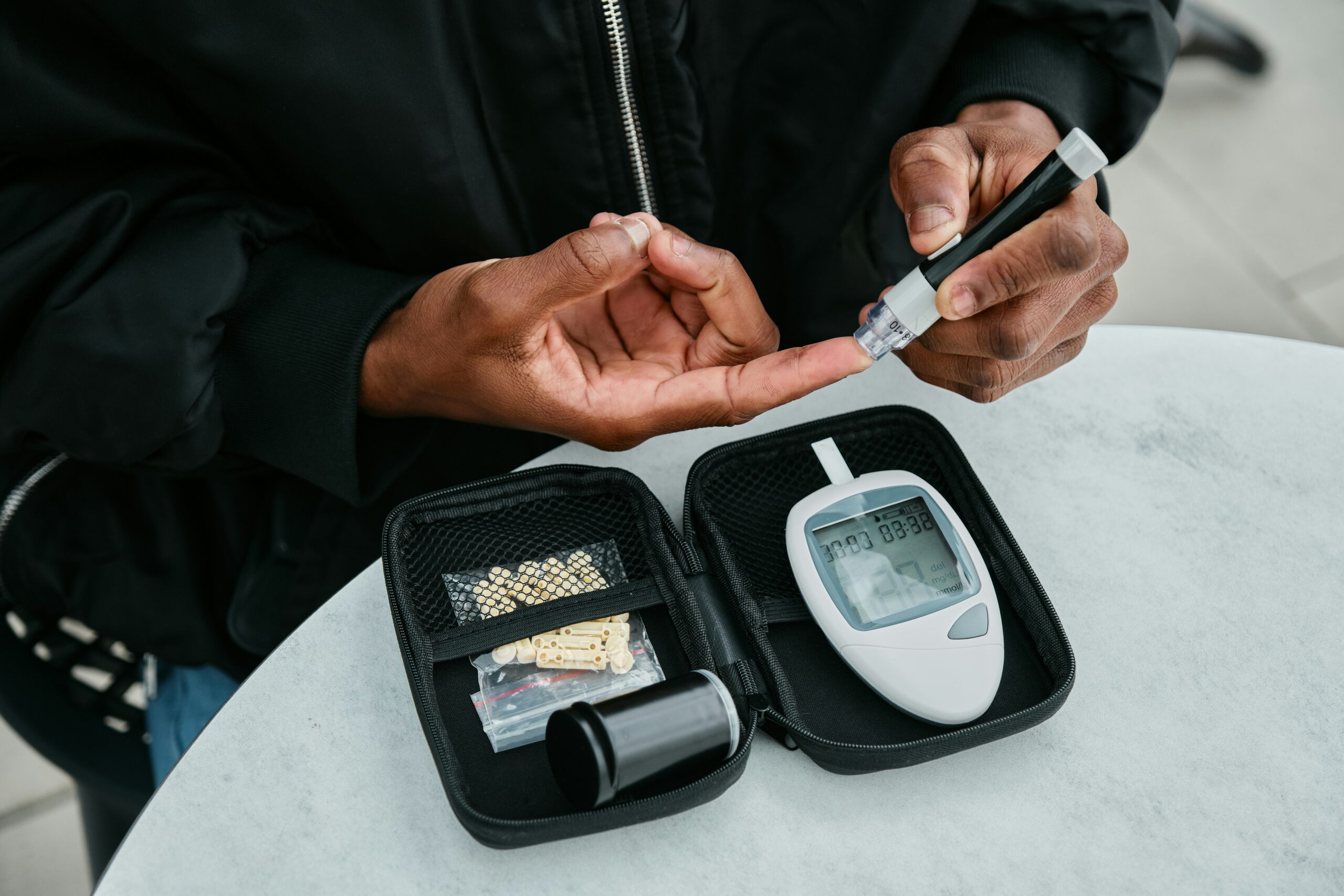
Monitoring blood sugar variability, not just your A1C, gives you and your care team a more complete picture of what is actually happening. Checking before a meal and again two hours after tells you a lot about how that meal affected you. Over time, you start to learn your own patterns, which foods affect you more than others, and what portions work.
A registered dietitian can help you apply food sequencing and other strategies to the foods you actually eat, your family recipes, your cultural traditions, your budget and schedule. POD Health supports Medicare patients with exactly this, alongside monthly check-ins from a care coordinator who tracks what is working and flags anything that needs your doctor’s attention.
Managing blood sugar variability is something your care team should be actively helping you with, not just checking your A1C at quarterly appointments. If you are on Medicare and managing diabetes alongside other conditions, you may qualify for Chronic Care Management, which includes monthly support from a dedicated care coordinator at no additional cost to you. POD Health serves Medicare members across all five boroughs of New York City, including Staten Island, Brooklyn, Queens, the Bronx, and Manhattan, as well as Westchester County, and Florida If you’d like to find out whether you qualify for Chronic Care Management at no cost through Medicare, contact us to speak with a care coordinator.