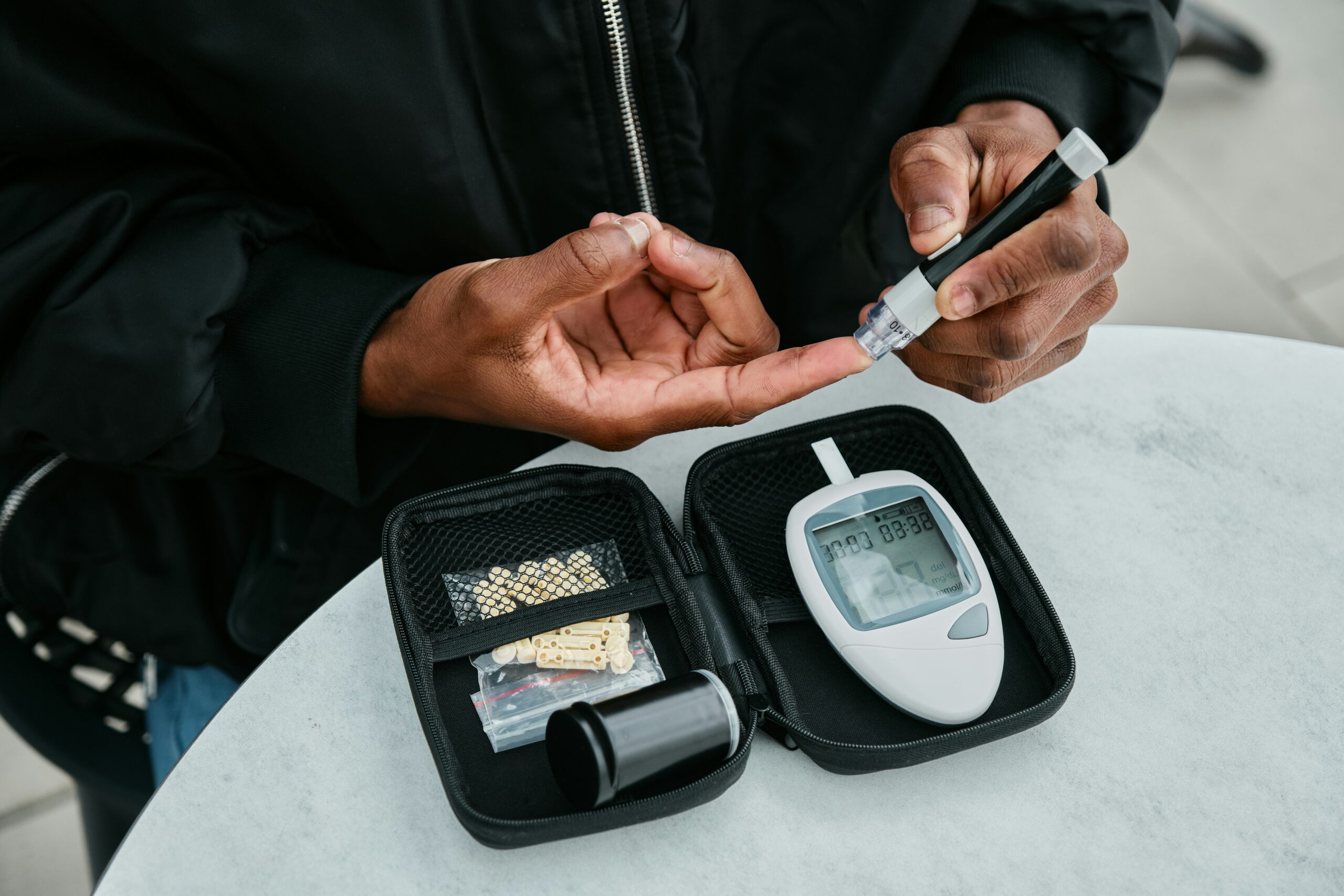










You got the diagnosis. Your spouse didn’t. And somehow, that has become your problem in ways you didn’t fully anticipate when you left the doctor’s office.
If you have tried to adjust how you cook and it caused friction, or if your spouse says “I don’t have diabetes, so why do I have to eat like I do,” you are in very good company. This is one of the most common things people managing diabetes deal with at home, and it rarely gets talked about in a clinical setting because it does not fit neatly into a pamphlet.
The good news is that it is manageable. The slightly less good news is that it requires some creativity, some patience, and occasionally the ability to let a comment roll off your back. This guide covers how to manage diabetes at home without making every meal a negotiation.
Can You Manage Diabetes Without Cooking Separate Meals?
Almost certainly yes, and this is the first thing worth knowing.
The adjustments that help people with diabetes eat better are not exotic. Less added oil, more vegetables, protein that anchors the plate, smaller portions of refined starch. These are just healthier eating. A spouse without diabetes is not harmed by any of this. They may feel mildly inconvenienced, but that is different.
The mistake is treating the two diets as incompatible when they usually are not. A dinner of grilled chicken, roasted vegetables, and rice can work for both of you. The difference is how much rice ends up on each plate, not whether rice exists in the house. Cook the shared meal. Let each person serve their own plate.
If your spouse wants more bread, more pasta, more of whatever you are keeping an eye on, that can happen at the table. That is not your plate. That is theirs.
How to Eat Differently from Your Spouse While Managing Diabetes
The practical answer is that your portion is the only thing you need to control, not the pot, not what your spouse orders, not what ends up on their side of the table.
A few things that actually move the needle:
- Eat protein and vegetables first. It slows how quickly carbohydrates raise your blood sugar, so the starch at the end of your plate has less impact than it would on an empty stomach.
- Keep your starch portion smaller, not zero. Cutting everything out completely is not sustainable and not necessary. It also helps to spread your carbohydrate intake evenly throughout the day rather than saving it all for one meal. A large amount of starch at dinner after eating very little earlier tends to cause a bigger blood sugar spike than the same amount spread across breakfast, lunch, and dinner. Knowing how much is too much for your body specifically, and learning your patterns over time, is more useful than a rule that says never.
- Do not skip meals to offset a heavier one later. It usually backfires.
None of this requires your spouse to notice a thing.
What If Your Spouse Takes Your Diabetes Management Personally?
This is where it gets a little more human and a little less nutritional.
Some spouses are not really objecting to the food. They are objecting to change. If your partner grew up associating a certain style of cooking with love, comfort, or family, and they experience your adjustments as a rejection of that, the argument you are having is not about carbs. It is about something older than that.
You cannot manage your diabetes and simultaneously manage your spouse’s feelings about managing your diabetes. At some point, a clear conversation helps: this is about staying healthy. You are not asking them to have diabetes with you. You are asking them to let you handle yours.
That is a completely reasonable thing to ask. And if it continues to be a real source of conflict rather than occasional grumbling, which is normal and expected, it may be worth talking through with a care coordinator or counselor. Chronic illness affects households, not just individuals, and you do not have to figure out the relational piece entirely on your own.
Does Your Spouse Have to Change Their Diet for Your Diabetes Management?
No. And trying to make that happen tends to create more resistance, not less. People who feel recruited into a diet they did not choose dig in. People who are simply watching their spouse make quiet adjustments over time often come around on their own. Food kept tasting good and nothing dramatic happened.
Focus on your plate. Let theirs follow at whatever pace it follows.
How Pod Health Supports Medicare Patients Managing Diabetes in Real Life
Chronic Care Management through Pod Health connects Medicare patients across all five boroughs of New York City, including Staten Island, Brooklyn, Queens, the Bronx, and Manhattan, as well as Westchester County and Florida. Our dedicated care coordinator checks in regularly, not just at annual appointments, but as your actual daily life shifts. That includes help navigating how to eat well inside a real household, with a real spouse, with food you actually want to eat.
Managing diabetes is not a pamphlet problem. It is support from someone who knows your situation. Contact us to find out if you qualify through Medicare at no cost to you.