







If you have Type 2 diabetes and you are wondering whether Mexican food is even possible, tacos at every family gathering, rice and beans as the base of most meals, tortillas on the table at every dinner, the standard diabetes diet advice can feel like an instruction to become a different person. The good news is that diabetes-friendly Mexican food is more achievable than most people expect, and traditional Mexican cooking already has more going for it than most diabetes content will tell you.
Managing diabetes on a Mexican diet does not require starting over. It requires understanding which parts of traditional Mexican cooking already support good blood sugar control. There are more of them than you would expect. This guide to Mexican food and Type 2 diabetes treats you like someone with an actual kitchen, an actual family, and actual preferences.
Why Traditional Mexican Cooking Is Good for Managing Diabetes
Before getting to what needs adjusting, it is worth saying clearly: traditional Mexican cooking has a genuinely strong foundation for managing diabetes. Beans, fresh vegetables, chiles, tomatoes, onion, garlic, cilantro, lime. These are the backbone of the cuisine and they are working in your favor.
The problems tend to come from portion size, what gets added during cooking, oil, lard, salt, and how the food has changed in its American restaurant form, where portions are larger, cheese and sour cream are heavier, and the rice and chips are bottomless. Home-cooked Mexican food, made the way it has been made for generations, is often significantly better for blood sugar than what gets served at a restaurant calling itself Mexican.
Can People with Diabetes Eat Tortillas?
Yes, with some awareness of type and quantity.
Corn tortillas are the better choice for blood sugar management. They are made from masa harina, ground dried corn, and have a lower glycemic index than flour tortillas, meaning they raise blood sugar more slowly. A standard corn tortilla has around 12 grams of carbohydrate. Two corn tortillas with a meal is a reasonable portion for most people with Type 2 diabetes.
Flour tortillas are higher in refined carbohydrates and raise blood sugar faster. The large flour tortillas used in burritos and quesadillas at restaurants can contain 40-50 grams of carbohydrate in a single tortilla, essentially a full meal’s worth of carbs in the wrapper alone. Smaller flour tortillas used at home are less of a concern than the oversized restaurant versions.
The combination matters as much as the tortilla itself. A corn tortilla eaten with beans, protein, and vegetables is a very different blood sugar event than chips eaten alone before the meal arrives. What is in the taco matters as much as the taco.
Can People with Diabetes Eat Tacos?
Yes, and a well-built taco is actually one of the more diabetes-friendly meals in any cuisine. Protein, vegetables, fresh toppings, and a modest carbohydrate load in a corn tortilla is a reasonable plate by any measure.
For a good taco, lean toward grilled chicken, fish, shrimp, or grilled steak in reasonable portions. Top with fresh salsa, onion, cilantro, a squeeze of lime, and avocado or a small amount of guacamole. Two corn tortillas is a solid target.
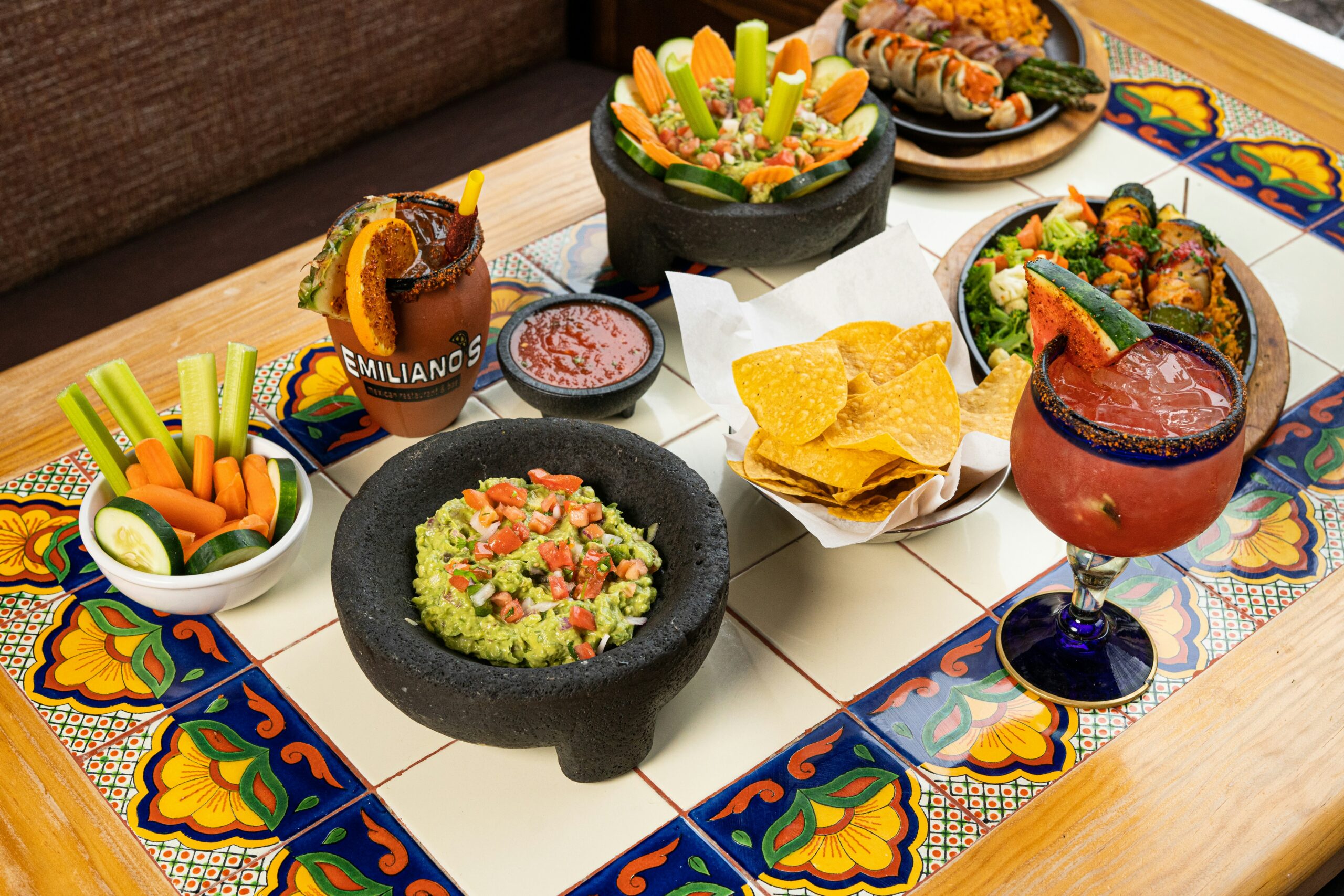
Guacamole deserves specific mention: avocado is high in healthy fat and fiber, has minimal effect on blood sugar, and supports heart health. A moderate serving of guacamole is a genuinely good addition. The chips it typically comes with are the concern, not the guacamole itself.
What tends to add up: large portions of carnitas or al pastor, higher in fat and often served in generous quantities. Four or five tacos rather than two. Chipotle-style bowls that look healthy but carry a full cup of white rice, heavy sour cream, and large cheese portions. At a restaurant you are working with what is offered. At home you control the build.
Is Mexican Rice Bad for People with Diabetes?
This is one of the most common questions about Mexican food and Type 2 diabetes, and the honest answer is: it depends on how much, what is alongside it, and what kind.
White rice raises blood sugar relatively quickly. Brown rice raises it more slowly because the outer bran layer slows digestion. The glycemic index runs around 64-72 for white rice and 50-55 for brown rice.
For Mexican rice cooked at home, the tomato base, onion, garlic, and vegetables mixed in slow digestion slightly compared to plain white rice. It is not a dramatic difference but it is real.
The practical adjustment is portion rather than elimination. A smaller serving of rice, a quarter of the plate rather than half, alongside beans and protein changes the blood sugar response significantly. Beans are doing important work here. Eaten together, beans and rice make a more balanced meal than either alone, because the fiber and protein in beans slow the whole digestion process.
Are Refried Beans Good or Bad for Diabetes?
Beans are one of the best foods a person with Type 2 diabetes can eat, and traditional Mexican cooking uses them constantly. Black beans, pinto beans, and refried beans all have a low glycemic index, around 28-40, because they are high in fiber and protein, which slow digestion and steady blood sugar rather than spiking it.
Refried beans are worth addressing directly because people often assume they are unhealthy. The main concern is lard. Traditional refried beans made with lard are higher in saturated fat, though still low in carbohydrates. Refried beans made with olive oil or vegetable oil, or simply mashed without added fat, are nutritionally solid. Canned refried beans are convenient but tend to run high in sodium. Rinse them or check the label if blood pressure is a concern alongside diabetes.
Whole beans, including black beans and pinto beans cooked from dry or rinsed from a can, retain slightly more fiber than refried, but both are good choices. However the bean gets to the plate, it is working in your favor.
Can People with Diabetes Eat Enchiladas, Tamales, and Chile Rellenos?
These are the dishes people worry most about, so it is worth addressing them directly.
Enchiladas depend heavily on what is inside and what sauce they are in. Chicken or bean enchiladas in a red chile sauce are a reasonable choice in a portion of two. The carbohydrate is mainly in the corn tortillas. The version to watch is heavy with sour cream, large amounts of cheese, or a mole sauce with added sugar. At home, you control this. At a restaurant, portion size matters more than the dish itself.
Tamales are made from masa, corn dough, and traditional versions use lard. A single tamale has roughly 20-25 grams of carbohydrate, which is manageable within a meal. One or two tamales at a holiday gathering alongside protein and vegetables is a reasonable plate. Tamales are a holiday food for most families. One or two at a celebration is not what determines long-term blood sugar control. What you eat on regular Tuesdays is.
Chile rellenos, poblano peppers stuffed with cheese or meat, battered and fried, get most of their carbohydrate from the batter. A baked version, or one where the batter is minimal, is meaningfully better than the fully fried restaurant version. The chile itself and the filling are low in carbohydrate. Cooking method matters more than the dish name here.
Are Salsa, Guacamole, and Fresh Condiments Good for People with Diabetes?
This is where Mexican cooking has a real advantage that does not get enough credit.
Fresh tomato salsa, pico de gallo, is essentially a vegetable dish. Tomatoes, onion, jalapeño, cilantro, lime. Minimal carbohydrate, no added fat, anti-inflammatory ingredients. Eat it freely.
Tomatillo salsa verde is similar. Roasted or fresh tomatillos, chiles, garlic, onion. Low carbohydrate, high flavor, no meaningful blood sugar concern.
Mole is more complex. Traditional mole negro contains dried chiles, spices, and a small amount of chocolate or sugar, but is typically used in modest amounts as a sauce rather than eaten in volume. A reasonable serving of mole over chicken is not a blood sugar crisis. The concern is usually everything else on the plate alongside it.
Crema, Mexican sour cream, is high in fat and low in carbohydrates. A small spoonful is not a significant blood sugar issue, but it adds up in saturated fat if used heavily across an already rich plate.
Cooking for a Family When You Are the Only One with Diabetes
Mexican cooking is family cooking. It happens in large quantities, it is shared, and there is real social weight to what gets made and how it is received. Being the person with dietary restrictions at a table that has always been the center of family life can feel isolating.
The good news is that most adjustments that help with diabetes are simply healthier for everyone. A little less lard or oil, more vegetables worked into dishes, smaller rice portions alongside generous beans. These do not announce themselves at the table. Nobody needs to know something changed.
Where it gets harder is the big occasions. The holiday, the birthday, the Sunday gathering when everything comes out at once. Managing diabetes at family events is not about refusing food or making the meal about your health. It is about plate composition. Protein and vegetables first, smaller portions of the starchy dishes, skipping the second serving of rice. One plate of celebration food is not what determines your A1C. What you eat on regular Tuesdays is.
How Chronic Care Management Through Pod Health Can Help
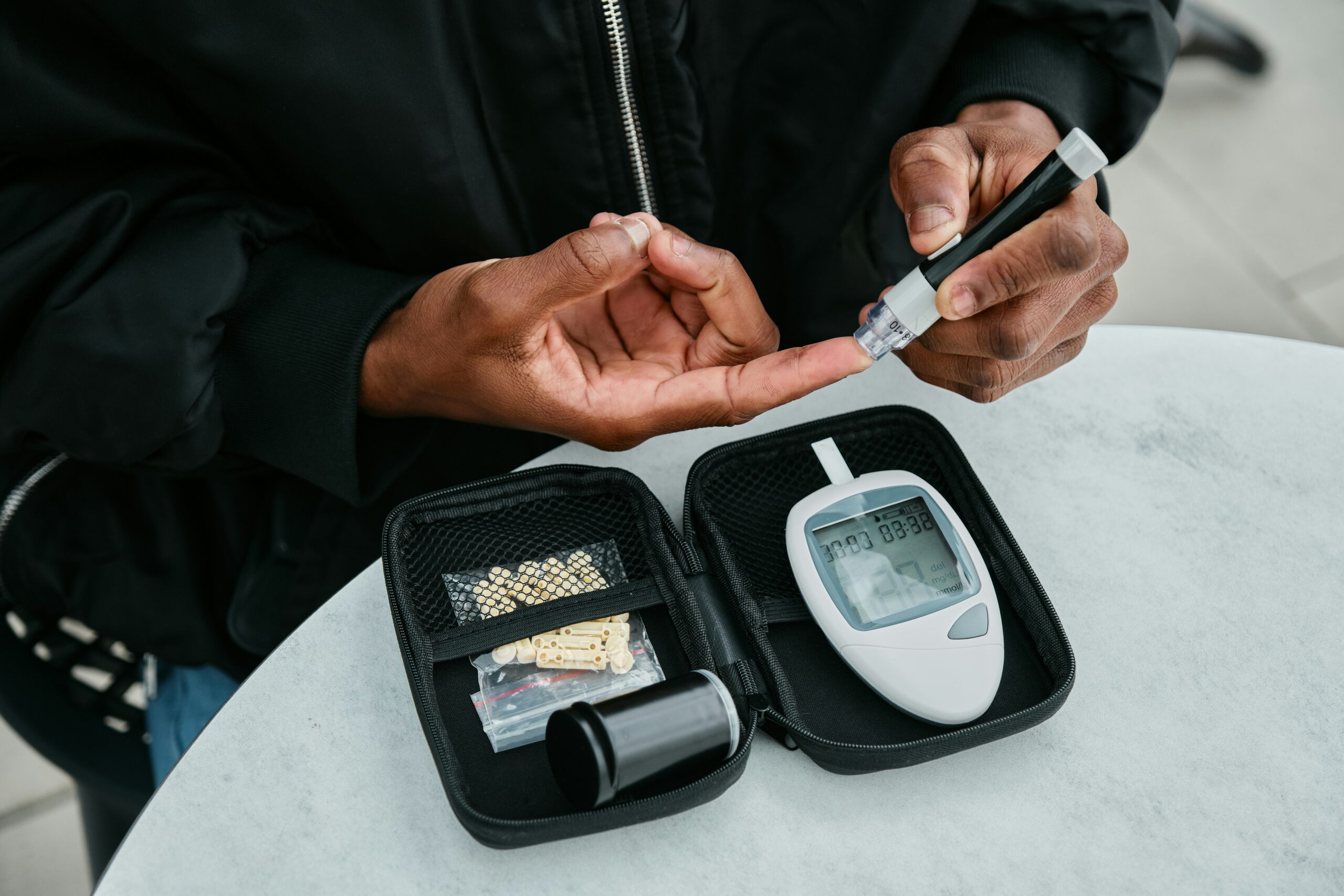
Understanding how your own body responds to specific foods, your tortillas, your beans, your tamales at the holidays, takes time and support. Checking blood sugar before a meal and two hours after, and noting what changed, is more useful than any generic list. Over time you learn your own patterns.
Pod Health’s Chronic Care Management program connects Medicare members across all five boroughs of New York City, including Staten Island, Brooklyn, Queens, the Bronx, and Manhattan, as well as Westchester County and Florida, with a dedicated care coordinator who checks in regularly and helps you work through practical day-to-day diabetes management, including nutrition guidance that fits your actual food, your actual family, and your cultural traditions. This is not a pamphlet. It is ongoing support from someone who knows your situation. Contact us to find out if you qualify at no additional cost through Medicare.