






If you have Type 2 diabetes, someone has probably already told you to watch your carbs, cut back on rice, and avoid some of the foods you’ve been cooking your whole life. And if your family gathers around arroz con pollo, pasteles at the holidays, or a plate of tostones on a Sunday afternoon, that advice can feel like more than a diet change. It can feel like losing something.
You’re not imagining that. Food is family. Food is culture. For many Puerto Rican families, the kitchen is where everything important happens, and being told to eat differently can feel isolating, especially when the rest of the table isn’t changing.
Managing diabetes on a Puerto Rican diet doesn’t require starting over. It requires some adjustments, and some of them are smaller than you think.
Can People with Diabetes Eat Rice?
Rice is not going away. But how much you eat, and what’s next to it, matters a lot.
There’s a useful way to think about this called the glycemic index, a scale from 0 to 100 that measures how fast a carbohydrate raises your blood sugar. White rice scores around 64-72, which means it raises blood sugar relatively quickly. Brown rice scores around 50-55. Parboiled rice drops to 38-47, because the way it’s processed changes the starch structure and slows digestion. Lower scores mean a slower, more gradual rise in blood sugar, which is what you want.
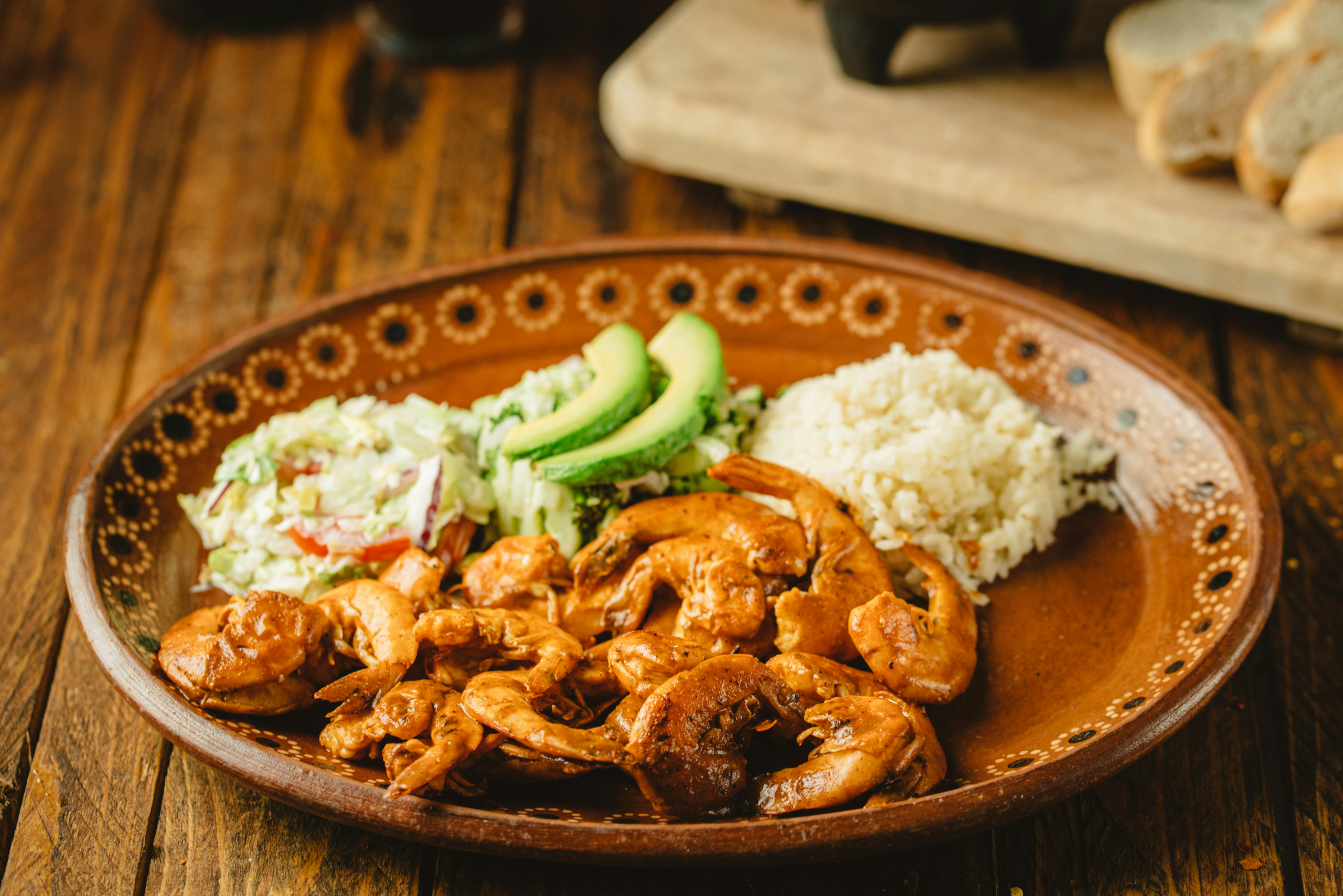
A smaller portion of rice alongside a protein like chicken, fish, or beans also slows how quickly the carbs hit your bloodstream. The combination matters as much as the food itself.
You don’t have to choose between rice and your health. You have to find your balance.
Are Beans Good or Bad for Diabetes?
Beans are one of the best foods someone with diabetes can eat. Habichuelas score around 28-40 on the glycemic index, which is very low, because they’re high in fiber and protein, which slow digestion and steady blood sugar rather than spiking it.
If your sofrito base is made with olive oil, onion, garlic, culantro, and peppers, that foundation is genuinely good for you. Watch the sodium in canned beans and rinse them well, or cook dried beans when you have time. But the beans themselves are working in your favor.
Is Sofrito Safe for People with Diabetes?
A traditional sofrito made with peppers, onion, garlic, culantro, and olive oil is low in carbohydrates and contains anti-inflammatory ingredients. It is one of the healthiest parts of Puerto Rican cuisine and works in your favor when managing diabetes.
Can People with Diabetes Eat Plantains?
Yes, with some awareness of the difference between tostones and maduros. Tostones are made from green, unripe plantain, which has a lower sugar content and a lower glycemic index. Maduros are made from ripe plantain, which is sweeter and raises blood sugar faster. Neither is off the table, but if you’re watching blood sugar closely, tostones in moderation are the better choice. Baking instead of frying is an easy swap if you want to eat them more often.
Can People with Diabetes Eat Pasteles?
Pasteles are made from green banana or plantain masa, which is lower on the glycemic index than wheat flour. One or two pasteles is a reasonable holiday portion. The issue is usually overall meal volume at gatherings, not the pasteles themselves.
Is Pernil Bad for Diabetes?
Slow-roasted pork is lower in carbohydrates than many people expect. Protein and fat don’t raise blood sugar the way carbs do. Pernil at a family gathering is not the problem.
What tends to cause issues is the full plate all at once: rice, rice and beans, bread, maduros, pork together in large portions. Eating protein first and adding smaller amounts of the starchy sides can make a real difference in how your blood sugar responds. That’s a practical adjustment, not a sacrifice.
Cooking for a Family When You’re the Only One with Diabetes
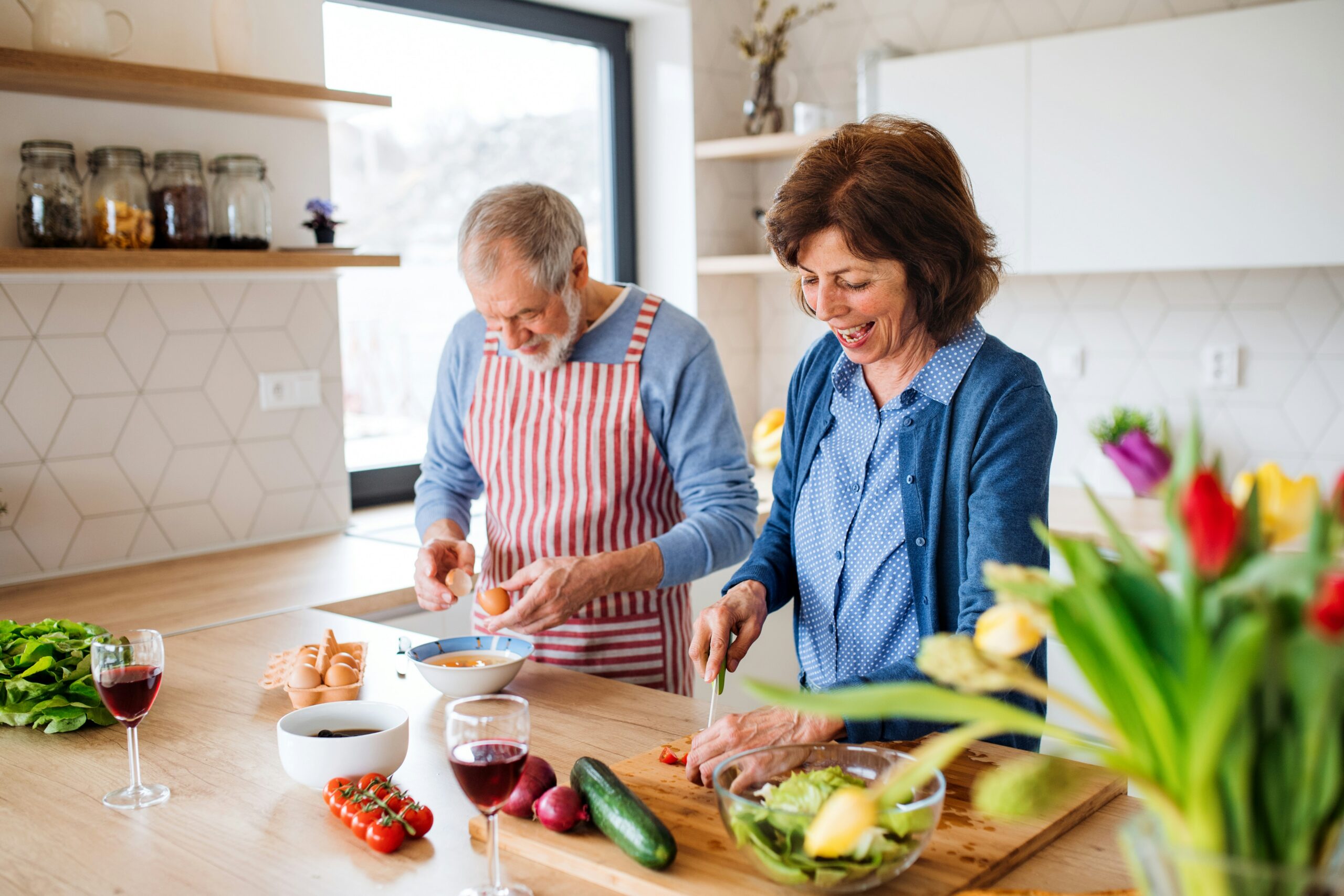
This is the part nobody talks about enough. If you’re cooking for grandchildren, a spouse, or grown children, you can’t always make a separate meal. The good news is that most adjustments that help you are simply healthier eating for everyone: a little less oil, less added salt, more vegetables worked into the sofrito. Nobody at your table needs to know something changed.
Where it gets harder is the social pressure: the relative who insists you eat more, the guilt of turning down someone’s cooking, the holidays when everything comes out at once. Diabetes management is not about being perfect at every meal. One plate at a holiday gathering is not what determines your A1C. What you eat on regular Tuesdays is.
Blood Sugar Monitoring: Keeping It Simple
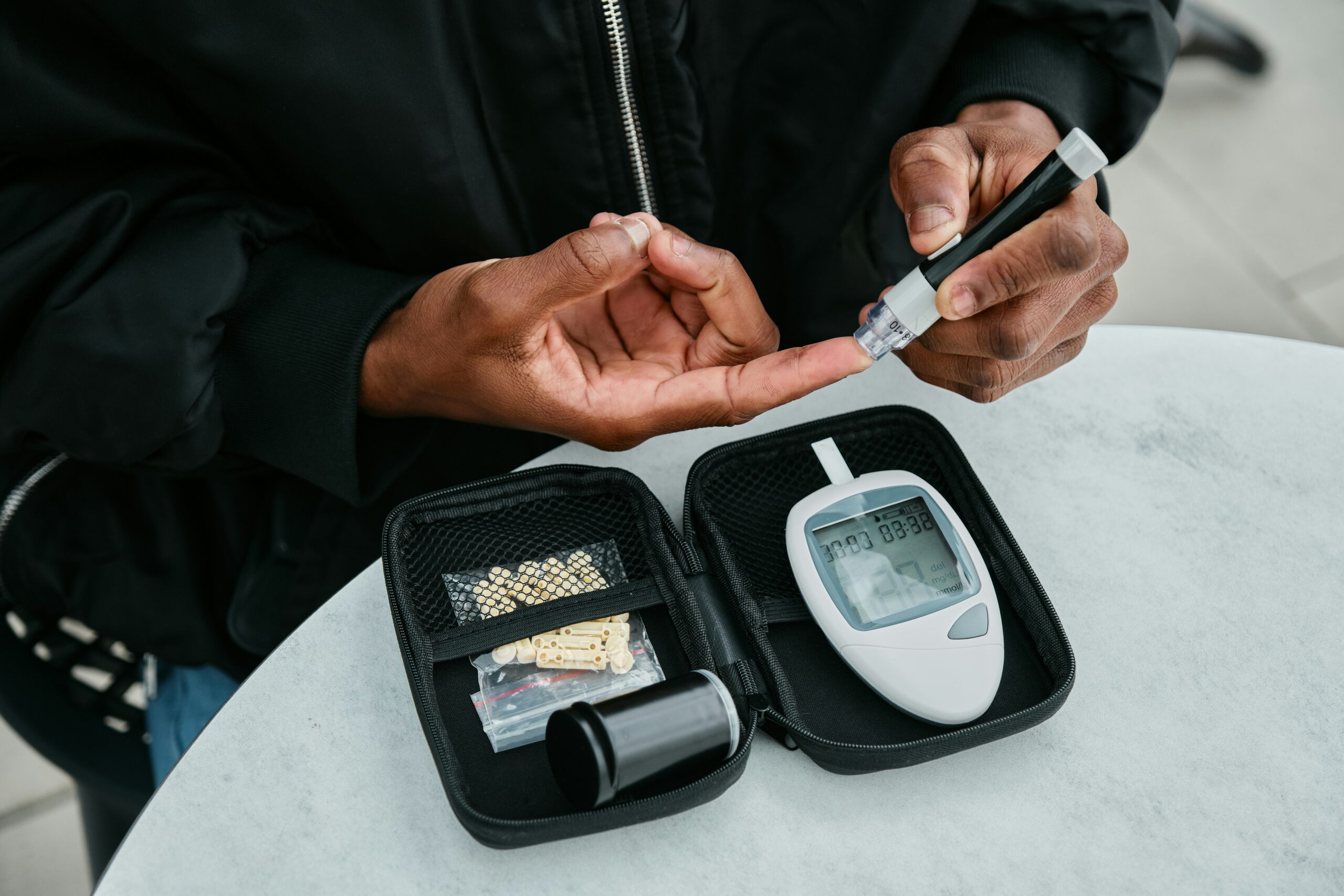
A lot of people with diabetes are nervous about monitoring: the finger sticks, the numbers, figuring out what they mean. A practical approach: check before a meal, then check again two hours after. If the number went up sharply, that particular combination of foods is something to adjust. Over time you start to learn your own body’s patterns, which foods spike you more than others, what portions work. It becomes less guesswork.
If you’re on Medicare, there are programs designed to help you do exactly this with support from a real care team, not just a pamphlet.
How Chronic Care Management Through Pod Health Can Help
Chronic Care Management through Pod Health connects Medicare members with a dedicated care coordinator who checks in regularly, helps track blood sugar patterns as part of your diabetes management, and works with you around your actual life, including your food, your family, and your cultural traditions. You don’t get a generic diet sheet. You get someone who helps you figure out what works for you. Contact us to find out if you qualify at no additional cost through Medicare.