








If you have been diagnosed with Type 2 diabetes, you have probably wondered which fruits are actually safe and whether fruit is even allowed at all. The short answer is yes, people with Type 2 diabetes can eat fruit. Understanding how fruit and Type 2 diabetes interact makes it much easier to eat well without second-guessing every meal. The reality is more straightforward than most people expect. Fruit is not the enemy. But not all fruit affects blood sugar the same way, and knowing the difference matters more than cutting it out entirely.
Why Fruit Is Not the Same as Sugar
The sugar in fruit, mostly fructose, behaves differently in your body than the refined sugar in a cookie or a soda. The key reason is fiber. Whole fruit comes packaged with fiber, which slows down how quickly sugar enters your bloodstream. That means a gentler rise in blood glucose, not the sharp spike you get from processed sweets.
Fruit also brings vitamins, minerals, and antioxidants that matter more when you are managing a chronic condition. For older adults dealing with both Type 2 diabetes and high blood pressure, many fruits, especially berries and citrus, have direct benefits for heart health and blood pressure.
None of that means you can eat unlimited amounts of any fruit. Portion size still matters, and some fruits push blood sugar up faster than others. But wholesale avoiding fruit is unnecessary and, for most people, counterproductive.
Best Fruits for Type 2 Diabetes
These fruits are lower on the glycemic index, meaning they raise blood sugar more slowly. They are also generally high in fiber and useful nutrients.
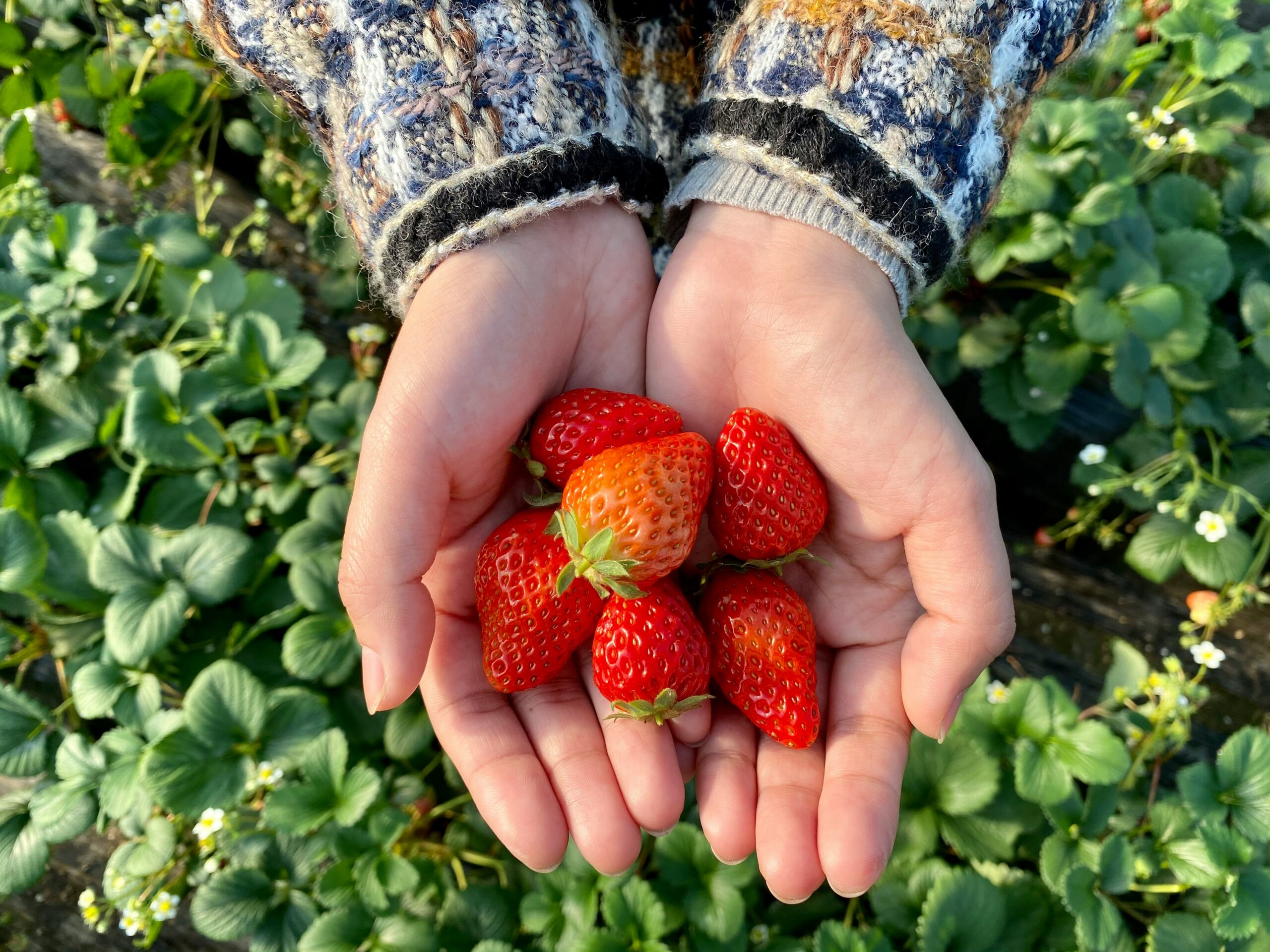
- Berries – Blueberries, strawberries, raspberries, and blackberries are among the best options for people with Type 2 diabetes. They are low in sugar, high in fiber, and have strong evidence behind them for reducing inflammation and supporting heart health. A cup of berries is a reasonable serving.
- Cherries – Tart cherries in particular have a low glycemic index and some research suggesting a benefit for blood sugar control. Fresh or frozen, without added sugar, are the versions to choose.
- Apples – The skin is where the fiber is, so eat it whole. One medium apple is a solid serving. Applesauce and apple juice are different products entirely – the fiber is gone and the sugar hits fast.
- Pears – Similar to apples. High fiber, moderate sugar, and satisfying enough to feel like a real snack. Again, whole fruit only.
- Citrus – Oranges, grapefruit, and clementines have more sugar than berries but are high in fiber and vitamin C, and have a lower glycemic impact than their juice. A whole orange is fine; a glass of orange juice is not the same thing.
- Peaches and plums – Both have modest sugar content and enough fiber to keep blood sugar relatively stable. Good choices in season.
- Avocado – Technically a fruit, and one of the best for diabetes management. Very low in sugar, high in healthy fat and fiber, and genuinely good for blood pressure. It does not spike blood sugar at all.
Fruits to Limit with Type 2 Diabetes
These are not off-limits, but they raise blood sugar more quickly and are worth eating in smaller portions or less often.
- Grapes – High in natural sugar and easy to overeat. A small handful is a serving, not a bowl.
- Mangoes and pineapple – Both are higher in sugar and have a faster effect on blood sugar than berries or citrus. They are not forbidden, but a small portion matters here.
- Watermelon – High glycemic index, meaning it raises blood sugar quickly even though a typical serving is not huge in calories. Eat a small slice, not half the melon.
- Bananas – Riper bananas have more sugar and a faster blood sugar effect than less ripe ones. Half a banana is a more sensible serving than a whole one, and pairing it with a handful of nuts slows the impact down.
- Dried fruit – Raisins, dried apricots, dates, and similar products are concentrated sugar in a small package. The fiber is still there but the volume is deceptive. A small box of raisins has the sugar of a much larger serving of grapes. Worth avoiding as a regular snack.
- Fruit juice – Worth saying clearly: fruit juice, even 100% juice with no added sugar, is not the same as whole fruit. The fiber is removed, the sugar is concentrated, and it raises blood sugar quickly. This applies to orange juice, apple juice, grape juice, and everything else.
If you enjoy any of the fruits on this list, a simple way to reduce their impact on blood sugar is to pair them with a source of protein, such as nuts, cheese, or Greek yogurt. Protein helps slow digestion and may reduce blood sugar spikes. You can also enjoy a smaller portion of a higher sugar fruit alongside a lower sugar, higher fiber option, for example, a few slices of mango with kiwi or berries. This way, you can still enjoy the flavors you like while helping to better manage your blood sugar.
Portion Size and Timing Still Matter
Even the best fruits on this list can push blood sugar up if you eat enough of them at once. A serving of fruit is roughly one small piece, half a cup of berries, or one cup of melon. That is smaller than most people pour or plate by default.
Timing helps too. Eating fruit alongside or after a meal, with protein and fiber already in your system, produces a slower, lower blood sugar response than eating it alone. A bowl of strawberries after dinner is different from the same bowl at 10 a.m. on an empty stomach.
How Pod Health Patients Can Know Exactly How Fruit Affects Their Blood Sugar
Everyone responds a little differently to the same foods. Pod Health patients who need them have access to remote monitoring devices that show exactly how your blood sugar responds in real time, to a banana, a bowl of grapes, or anything else. That kind of direct feedback takes the guesswork out of it and makes it easy to know which fruits work well for you personally and which ones hit harder than expected.
Pod Health serves Medicare members across all five boroughs of New York City, including Staten Island, Brooklyn, Queens, the Bronx, and Manhattan, as well as Westchester County, and Florida. We provide ongoing chronic care management for conditions like Type 2 diabetes and high blood pressure. Start Managing Your Diabetes Today.
The Bigger Picture
Fruit is not something people with Type 2 diabetes need to fear or avoid. The right fruits, in reasonable portions, eaten at the right time, are a genuine asset and not a compromise. The goal is eating in a way that keeps blood sugar steady over time, and whole fruit fits into that picture for most people.
Your A1C, checked every few months by your care team, tells you how your overall blood sugar management is trending. That is a much better guide than any single food.