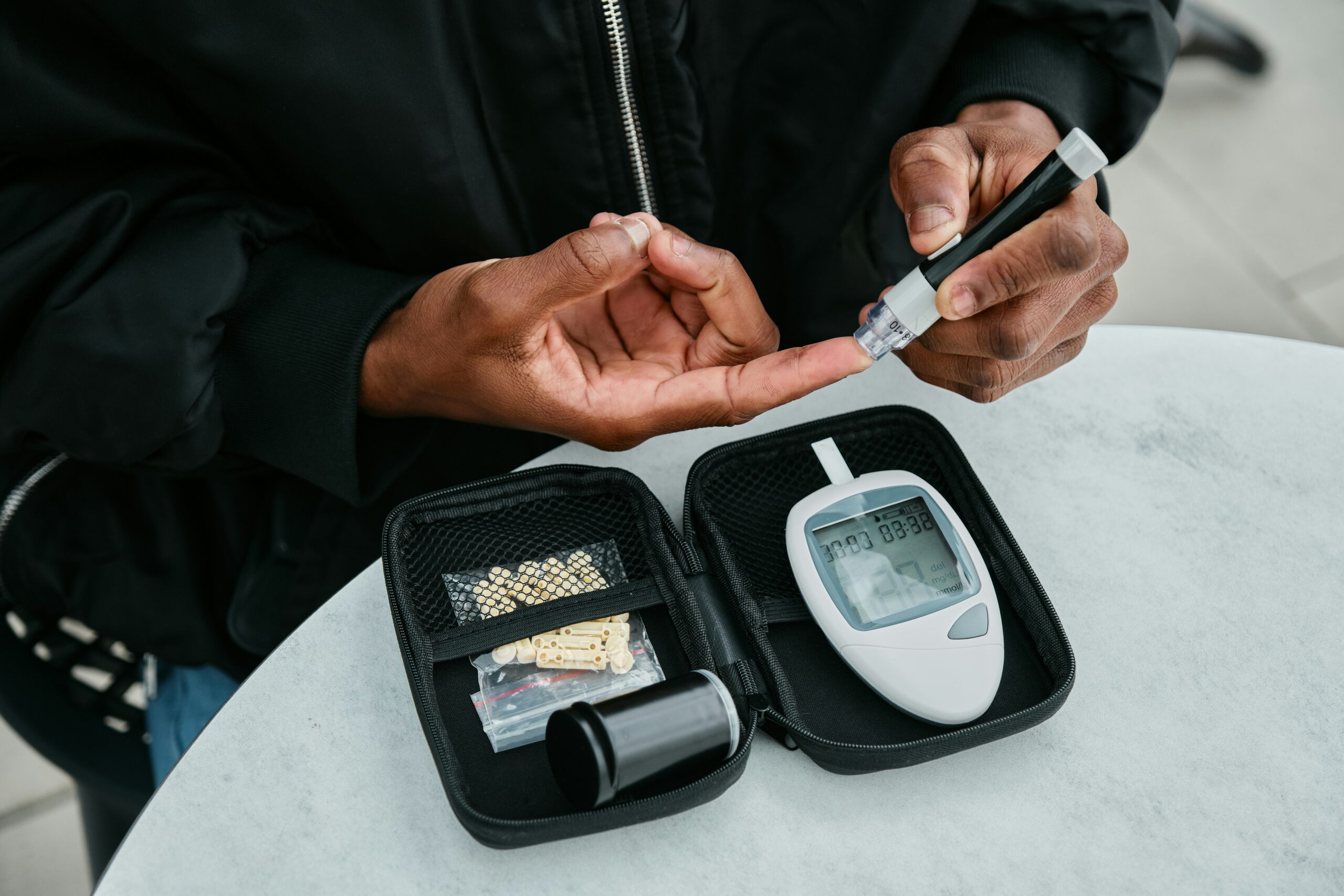






A new Type 2 diabetes diagnosis comes with a lot of lists: foods to limit, numbers to track, appointments to keep. For anyone with a sweet tooth, the first question is usually the same: does this mean no more cake? No more cookies? No more candy?
The honest answer is: not exactly. But things do change, and understanding how sweets affect blood sugar with Type 2 diabetes makes it a lot easier to enjoy them without the anxiety.
What Type 2 Diabetes Means for Your Sweet Tooth
When you have Type 2 diabetes, your body has trouble moving glucose out of your bloodstream efficiently. Sweet foods and refined carbs in general push blood sugar up fast. Over time, repeated spikes make the condition harder to manage and raise your risk of complications.
If you also have high blood pressure, many traditional desserts create a double problem. They’re often high in sodium and saturated fat on top of the sugar.
None of this means sweets are permanently off the table. It means they need to be handled differently. Here’s how the three main offenders break down.
Can You Eat Cake with Type 2 Diabetes?
A standard slice of birthday cake with white flour, buttercream frosting is a blood sugar spike waiting to happen. The flour hits fast, the frosting hits faster, and portion sizes at most celebrations tend to be generous.
That doesn’t mean you skip the birthday party. It means you have a smaller slice, eat it after a real meal rather than on an empty stomach (food already in your system slows glucose absorption), and skip the extra scoop of ice cream alongside it.
At home, you have more control. Cakes made with almond flour or oat flour have more fiber and a slower effect on blood sugar. Reducing the sugar by a third in most recipes doesn’t noticeably change the result. Fresh fruit as a topping adds sweetness without much added sugar.
Can You Eat Cookies with Type 2 Diabetes?
Cookies are actually easier to manage than cake for one simple reason: portion size is built in. One cookie is one unit. The problem is that most store-bought cookies pack a surprising amount of sodium, worth checking if blood pressure is already a concern, – and refined flour means the carb load adds up quickly.
Two or three small cookies after dinner is a different situation than a handful on an empty afternoon. Oatmeal-based cookies with a little less sugar, or almond-flour shortbreads, tend to be kinder on blood sugar without tasting medicinal. Dark chocolate chips (70% cacao or higher) add less sugar than milk chocolate and have some evidence behind them for blood pressure benefit.
Can You Eat Candy with Type 2 Diabetes?
Candy is the hardest to work with, mostly because it’s pure sugar with nothing to slow it down: no fat, no protein, no fiber. Hard candies, gummy bears, and caramels can send blood sugar up sharply and come down just as fast, which sometimes triggers cravings for more.
Sugar-free candy exists, but it’s not a free pass. Many versions use sugar alcohols like sorbitol, which can cause digestive upset in larger amounts, something worth knowing before you stock up.
A few squares of dark chocolate is the better move. It’s genuinely satisfying, lower in sugar than milk chocolate, and there’s decent evidence it has a modest positive effect on blood pressure. A small piece after a meal, not a whole bar, is the working approach.
Timing and Portion Size Matter More Than You Think
For people managing Type 2 diabetes, when you eat sweets is almost as important as what you eat. The same cookie eaten after grilled chicken and vegetables has a meaningfully different effect on blood sugar than that same cookie eaten alone at 3 p.m.
General rules that help:
- Eat sweets after a full meal, not as a standalone snack
- Smaller portions, enjoyed slowly, are better than larger portions eaten quickly
- Pairing something sweet with protein or fiber (a small piece of cheese, some nuts) blunts the blood sugar spike
A Type 2 diagnosis doesn’t mean spending the rest of your life watching other people eat dessert. It means being more deliberate about when, how much, and what kind. Your care team can track your A1C every few months to show how your blood sugar is trending overall, a much more useful measure than any single meal.
The goal isn’t perfection. It’s knowing what you’re working with.
Pod Health serves Medicare members across all five boroughs of New York City, including Staten Island, Brooklyn, Queens, the Bronx, and Manhattan, as well as Westchester County, and Florida. We provide ongoing chronic care management for conditions like Type 2 diabetes and high blood pressure. Start Managing Your Diabetes Today.