









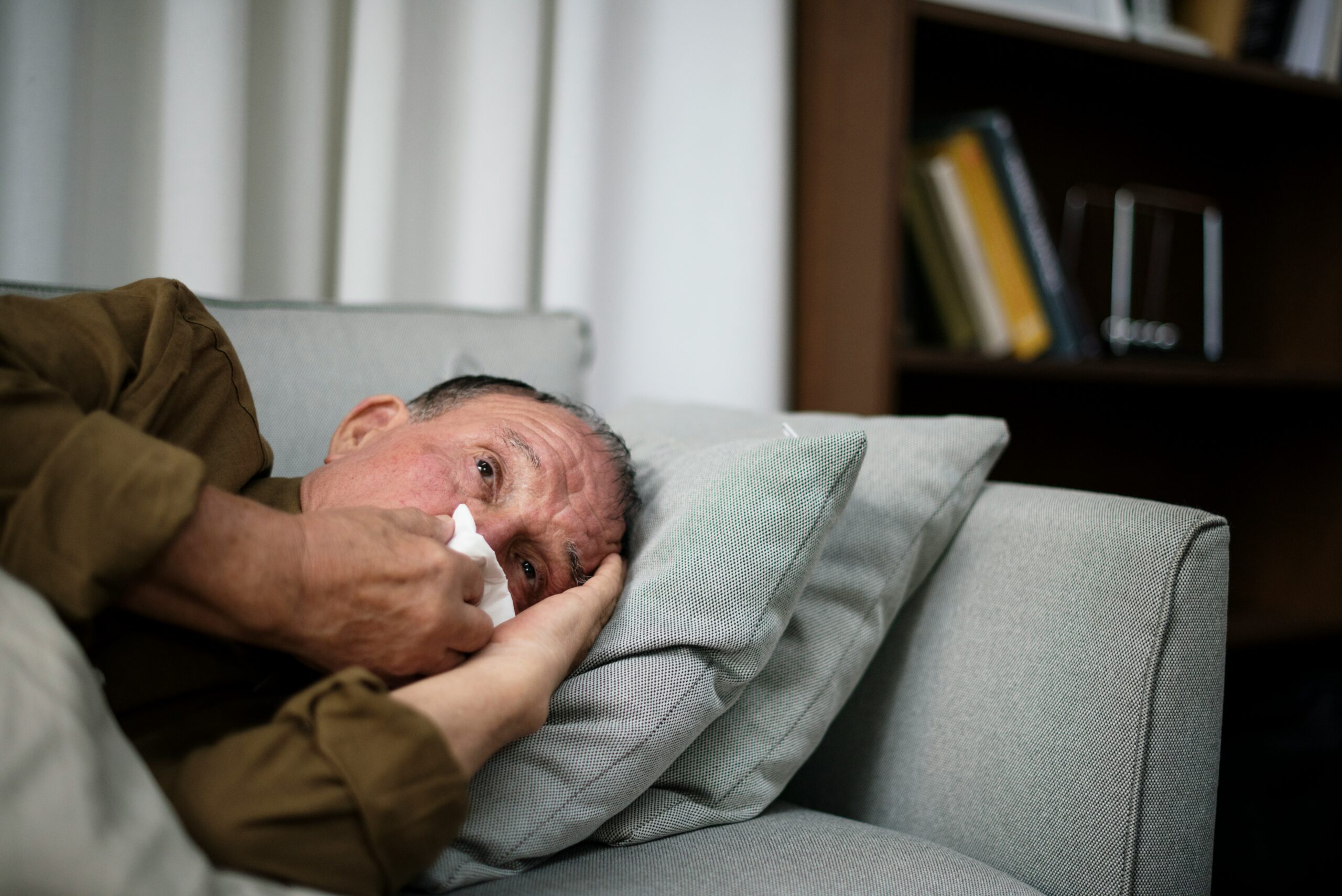
Most people check the weather before they leave the house. Almost nobody checks the air quality. But if you’re over 65, or you’re caring for someone who is, that second check matters more than you might think. The impact of air pollution on seniors is bigger than most people realize.
Bad air days don’t just affect people with asthma or COPD. They hit older adults harder too, even people who have never had a lung problem in their life. It’s not something wrong with them. It’s just how the body changes with age. Understanding why seniors are more vulnerable is the first step to protecting against it.
How Aging Increases the Impact of Air Pollution on Seniors
A few things shift with age that make poor air quality harder to handle.
Lung capacity naturally decreases over time. The lungs lose a bit of their elasticity, and the muscles that help you breathe don’t work quite as hard as they used to. That means there’s less reserve to fall back on when the air itself is working against you. This is one of the main reasons the impact of air pollution on seniors tends to show up faster and last longer than it does in younger adults.
The immune system changes too. Inflammation from pollution or smoke tends to linger longer in an older body, and it takes more time to bounce back. A cold or mild irritation that a younger person shakes off in a day or two can leave an older adult feeling run down for a week or more.
And a lot of older adults are managing a condition they don’t think of as a “lung” condition at all: high blood pressure, heart disease, diabetes. Poor air quality puts strain on the heart just as much as the lungs, so these conditions can quietly make bad air days harder too, even without a single respiratory symptom. This is part of why the impact of air pollution on seniors with chronic conditions can be more serious than it looks on the surface. The strain shows up in blood pressure and heart rate before it ever shows up as coughing or wheezing. The EPA notes that fine particle pollution is linked to heart attacks and other cardiovascular effects, not just respiratory symptoms.
None of this means something is wrong. It just means the body has less room to absorb the extra load that pollution or smoke puts on it.
Understanding the Air Quality Index (AQI)
You’ve probably heard the term Air Quality Index, or AQI. It’s a simple color-coded scale that tells you how clean or polluted the air is on a given day, and it’s easier to read than it sounds.
- Green: Air quality is good. No real concerns.
- Yellow: Acceptable for most people, though sensitive groups might notice mild effects.
- Orange: Sensitive groups, including older adults, should start limiting time outdoors.
- Red or worse: Everyone should reduce outdoor activity, and sensitive groups should stay inside if possible.
The two pollutants that matter most for older adults are ozone and fine particulate matter, often listed as PM2.5. Ozone tends to spike on hot, sunny days, especially in the afternoon. PM2.5 comes from things like traffic, wildfire smoke, and industrial activity, and it’s small enough to get deep into the lungs. Knowing which pollutant is driving a bad air day can help you decide whether the bigger risk is outdoor exertion or simply being outside at all. You can check real-time AQI for your zip code on AirNow.gov, the EPA’s official air quality monitoring site.
Making Air Quality Checks Part of a Daily Routine
Checking the AQI doesn’t need to be complicated. Most weather apps show it right next to the temperature. Making it part of your morning routine, the same way you’d glance at whether it’s going to rain, is really all it takes.
A quick look before you plan your day tells you whether it’s a good morning for a walk, or a day better spent running errands you can do indoors. Over time, this small habit can meaningfully reduce the cumulative impact of air pollution on seniors, since it’s often repeated exposure on marginal days, not just the occasional extreme one, that adds up.
Seasonal Air Quality Patterns That Affect Seniors
The impact of air pollution on seniors isn’t the same all year round. Ozone pollution tends to worsen in the summer months, when heat and sunlight drive chemical reactions in the air, while PM2.5 spikes are more common during wildfire season or in winter months when temperature inversions trap pollution close to the ground in some regions. If you know which season tends to be worse where you live, you can plan ahead. For example, scheduling more indoor activities during the months your area typically sees its worst air quality, rather than reacting day by day. The CDC’s wildfire smoke safety guidance offers additional precautions for the months when smoke, rather than ozone, is the bigger concern.
What Seniors Should Do on a Bad Air Day
You don’t need to stay inside every time the AQI ticks up. A few adjustments usually cover it.
- Move outdoor plans earlier or later. Ozone tends to peak in the afternoon, so a morning walk is often a better bet than one at 3 p.m.
- Skip strenuous activities outdoors. Breathing harder means pulling in more polluted air. On an orange or red day, save the more active tasks for indoors.
- Keep windows closed during peak hours if the AQI is elevated and run an air purifier indoors if you have one.
- Keep any prescribed inhalers or medications within reach, even if you don’t think you’ll need them. It’s easier to have them on hand than to go looking once symptoms start.
- Pay attention to how you feel, not just the number on the app. Some people feel the effects of bad air quality at levels that don’t seem alarming on paper. Trust what your body is telling you.
How POD Health Fits In
If you’re managing a heart or lung condition, air quality is one more factor that can affect how you feel day to day, and it’s exactly the kind of thing worth mentioning to your care team. Through Chronic Care Management and Remote Patient Monitoring with POD Health, a dedicated care coordinator checks in with you regularly and helps you build habits that fit your actual life, not a generic checklist.
If you’re on Medicare and think this kind of support could help, contact us to find out if you qualify at no additional cost.