




You have just received a cardiac scan result. The doctor has used words like soft plaque, stenosis, or high-risk morphology. You walk out of the office with a follow-up appointment scheduled, a possible prescription, and a feeling that is very hard to shake: the sense that something inside you could give way at any moment.
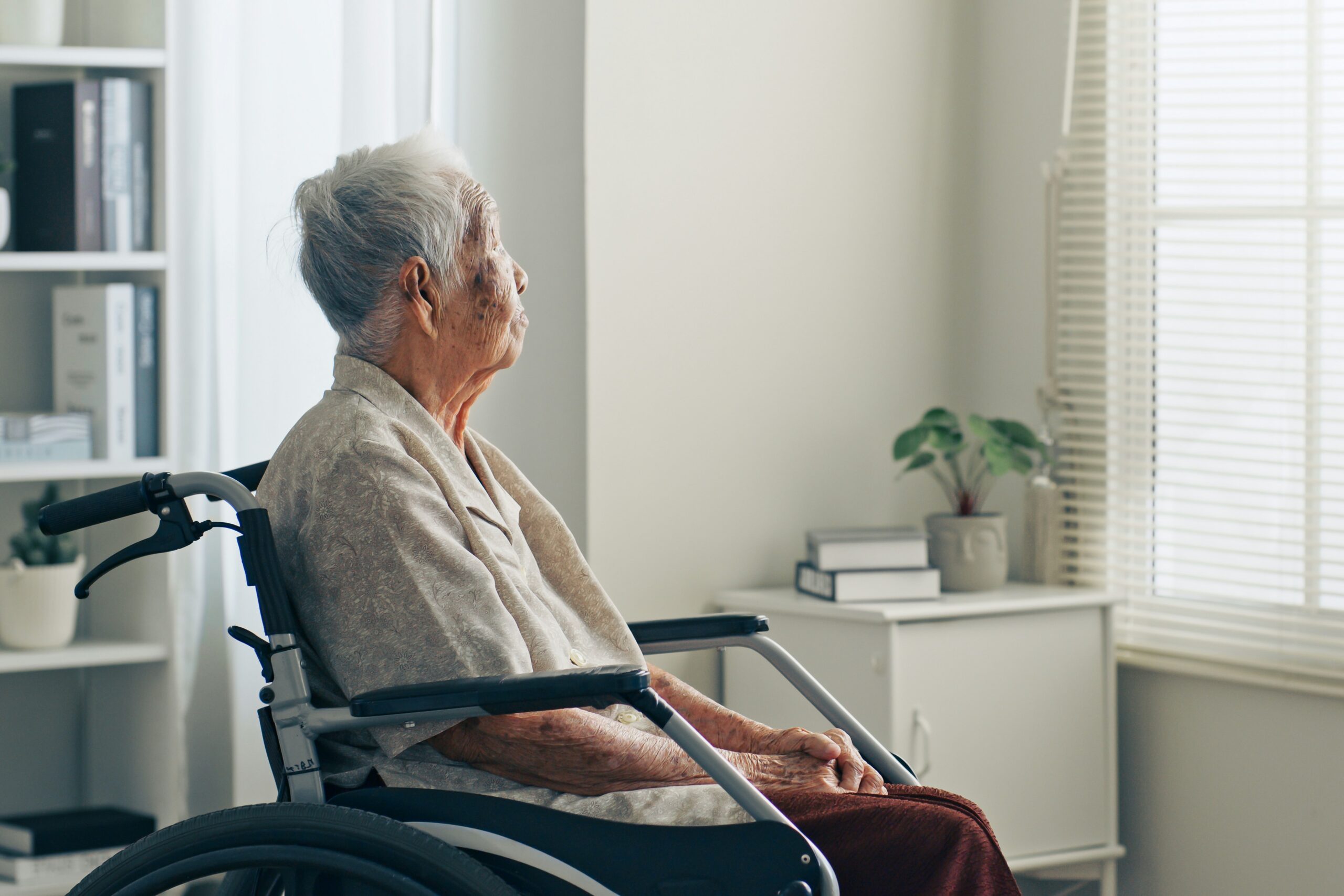
People describe it in different ways. A ticking clock. A bomb with an unknown timer. A fragile thing they are suddenly afraid to stress. The feeling tends to arrive at night, or during physical activity, or in quiet moments when there is nothing else to focus on. It can be relentless.
This experience is common, it has a name, and there is a substantial body of research on what helps. Understanding it does not make it disappear, but it does make it more manageable. And managing it is, it turns out, genuinely important for your heart.
What Is Cardiac Anxiety? Recognizing Cardiac Anxiety and Cardiophobia Symptoms
Cardiac anxiety, sometimes called cardiophobia or heart-focused anxiety, is a specific and well-documented psychological response to cardiac diagnosis or perceived cardiac threat. It is distinct from general anxiety, though the two can overlap. Its defining feature is heightened vigilance toward the heart: monitoring for symptoms, interpreting normal sensations as dangerous, and organizing behavior around the fear of a cardiac event. Common cardiac anxiety symptoms include repeatedly checking your pulse, avoiding physical activity out of fear it will trigger a cardiac event, and seeking frequent reassurance from doctors or loved ones that your heart is okay.
It affects a significant proportion of people after a coronary finding. Studies in cardiac populations suggest rates of clinically significant anxiety ranging from 20 to 40 percent in the period following diagnosis, with rates higher among women than men. It is not a sign of weakness or irrationality. It is a predictable response to a real threat in an organ you cannot see, cannot directly control, and cannot afford to ignore.
Why Cardiac Anxiety Feels So Intense: What Makes the Heart Different
Most health findings produce some degree of worry. What makes cardiac anxiety particularly intense is a combination of factors specific to the heart.
The heart is involuntary. Unlike a knee or a shoulder, you cannot rest it, immobilize it, or take it out of use while it heals. It keeps going regardless, which means you cannot escape awareness of it.
The heart is invisible. You cannot look at it, feel it with your hands, or see whether it is getting better or worse from one day to the next. The only feedback you get is subjective: sensations that may or may not mean something. That ambiguity is fertile ground for anxiety.
The consequences of a cardiac event are immediate and severe. The brain is wired to prioritize threats with catastrophic potential, and the heart qualifies. This is not irrational. It is the threat-detection system doing exactly what it evolved to do. The problem is that sustained high-alert activation is itself damaging, which is where managing cardiac anxiety stops being purely psychological and becomes clinically relevant.
Is Cardiac Anxiety Dangerous? Why Managing It Is Part of Managing Your Heart
Yes, cardiac anxiety can be genuinely dangerous, and the danger is not only emotional. It functions as a cardiovascular risk factor in its own right.
Chronic psychological stress and anxiety activate the body’s stress response, raising cortisol, elevating blood pressure, increasing heart rate, and triggering systemic inflammation. All of these effects operate directly on the coronary arteries. Sustained cortisol elevation promotes the inflammatory environment that destabilizes soft plaque. Elevated blood pressure increases mechanical stress on the arterial wall. Chronic activation of the sympathetic nervous system raises the baseline demand on the heart. Cardiophobia itself does not directly cause a heart attack the way a ruptured plaque does, but the sustained physiological stress it produces can worsen the underlying conditions that make a heart attack more likely over time.
Put plainly: the anxiety about your heart is doing some of the same things to your arteries that you are trying to reverse with medication and diet. Managing stress is not a soft add-on to cardiac care. It is part of cardiac care.
Research in psychocardiology, the intersection of psychological health and cardiovascular outcomes, has consistently found that anxiety and depression after cardiac diagnosis are associated with worse long-term outcomes, independent of the severity of the underlying disease. Conversely, interventions that reduce cardiac anxiety improve outcomes measurably.
What the “Ticking Time Bomb” Feeling Gets Wrong
The metaphor is understandable but imprecise in ways that matter.
A bomb has a fixed timer and an inevitable outcome. Soft plaque, the finding most commonly associated with this feeling, is neither fixed nor inevitable. It is a dynamic, biological process that responds to treatment. Statins stabilize the fibrous cap within weeks of starting therapy, making rupture significantly less likely. Aggressive LDL lowering produces measurable plaque regression over twelve to twenty-four months. Diet, exercise, and stress reduction all operate on the inflammatory environment that sustains unstable plaque.
The more accurate metaphor is a structural fault that has been found and is actively being repaired. The finding that produced the anxiety is also the information that makes intervention possible.
Most heart attacks caused by soft plaque rupture happen in people who did not know the plaque was there. You know. That is not a reason for complacency. It is a reason for the opposite.
This reframe is not denial. The risk is real and the treatment should be taken seriously. But the anxiety often operates as if the outcome is already determined, when the evidence suggests otherwise: early detection and treatment of soft plaque substantially changes the trajectory.
How to Overcome Cardiac Anxiety: Treatment That Actually Helps
Get a clear plan in place
Uncertainty is the primary driver of cardiac anxiety. The period between receiving a finding and having a full treatment plan in place is almost always the most anxious. Once you know what medications you are taking, what your LDL target is, what activity is safe, and when you are being monitored, the anxiety typically decreases substantially. Not because the risk has disappeared, but because the helplessness has.
If your follow-up appointment left you with unanswered questions, write them down and call the office. Ambiguity is not something to sit with quietly in this context.
Tell your cardiologist how anxious you are
Cardiac anxiety is a clinical data point, not a personal failing. Cardiologists are accustomed to this conversation, and good ones take it seriously. Significant anxiety after a cardiac finding is associated with worse outcomes: people avoid activity, sleep poorly, miss follow-up appointments, and sometimes abandon treatment. Your clinical team needs to know if you are struggling, because it affects their recommendations.
Some cardiology practices have cardiac psychologists or social workers as part of the care team. Others can provide referrals. Ask directly whether this resource exists.
Moderate exercise, once cleared
The instinct after a cardiac finding is often to reduce physical activity. For most patients, this instinct is counterproductive. Moderate steady-state exercise, walking in particular, has well-documented effects on both cardiovascular health and anxiety. It reduces cortisol, improves sleep, lowers blood pressure, and gives the nervous system a legitimate physical outlet for the stress response that is otherwise running continuously in the background.
High-intensity exercise warrants specific clearance from your cardiologist given a soft plaque finding. Walking does not. Starting with twenty to thirty minutes daily, at a pace where you can hold a conversation, is appropriate for most patients and is actively beneficial.
Mindfulness-based stress reduction
Mindfulness-based stress reduction (MBSR) has direct cardiovascular benefit, not just psychological benefit. Studies in cardiac populations have found that MBSR reduces blood pressure, lowers inflammatory markers, and improves heart rate variability. It works alongside medication and lifestyle change through the same biological pathways.
Formal MBSR programs require a time commitment that does not fit everyone. The evidence for shorter daily practice is also solid. Ten to fifteen minutes of guided breathing or body scan meditation daily, available through apps like Headspace or Calm or through free online resources, produces measurable physiological effects within weeks.
Cognitive behavioral therapy for cardiac anxiety
For people whose anxiety is severe or persistent, cognitive behavioral therapy adapted for cardiac populations is the most evidence-backed psychological intervention available. It works by identifying and restructuring the thought patterns that sustain the vigilance loop: the monitoring, the catastrophizing, the avoidance behaviors. The goal is responses that are both more accurate and less physiologically activating.
This is not standard talk therapy. It requires a therapist with specific training in health anxiety or psychocardiology. Ask your cardiologist or primary care provider for a referral if the anxiety is significantly affecting your daily functioning or sleep.
Social connection and honest conversation
Isolation amplifies cardiac anxiety. Talking about what you are experiencing, with a partner, a close friend, or a support group, has measurable benefit. Cardiac support groups, both in-person and online, connect people who are navigating the same experience and can offer perspective that clinical providers sometimes cannot.
Hearing someone say “I felt exactly that way, and here is what helped” is not a minor comfort. It is a meaningful intervention.
Anxiety or Heart Attack? When to Seek Urgent Help
Cardiac anxiety and actual cardiac symptoms can overlap in ways that are genuinely confusing. Anxiety produces chest tightness, shortness of breath, racing heart, and a sense of doom, all of which are also symptoms of a cardiac event.
If symptoms are new, severe, or accompanied by pain radiating to the arm or jaw, sweating, or sudden extreme fatigue, treat them as potentially cardiac and seek emergency care. Do not self-diagnose as anxiety in the acute setting. If symptoms are familiar, have been evaluated and attributed to anxiety by your physician, and resolve with rest or calm breathing, they are more likely anxiety-driven.
Discuss this distinction explicitly with your cardiologist. Ask what symptoms should prompt an emergency call versus a routine check-in. Having that clarity removes one significant source of uncertainty.
Emotional Health Is Heart Health
The connection between psychological wellbeing and cardiovascular outcomes is one of the most consistent findings in modern cardiology. It cuts both ways: heart disease increases anxiety and depression, and anxiety and depression worsen heart disease. Breaking that cycle, or preventing it from becoming entrenched, is a legitimate and important part of cardiac care.
If you received a cardiac finding recently and are experiencing significant anxiety, you are in very good company. The feeling makes complete sense. And there are concrete, evidence-backed things you can do about it that will help both how you feel and how your heart responds to treatment.
POD Health Behavioral Health and Cardiac Support
POD Health’s Behavioral Health Integration program provides emotional health support alongside chronic care management for Medicare patients across all five boroughs of New York City, including Staten Island, Brooklyn, Queens, the Bronx, and Manhattan, as well as Westchester County, Florida, and Colorado.
Our team works with patients managing cardiovascular diagnoses, helping coordinate care, monitor ongoing health, and address the psychological dimensions of living with a cardiac condition, all through telehealth from home.
If you have received a cardiac finding and want support navigating both the medical and emotional sides of it, contact us today.