







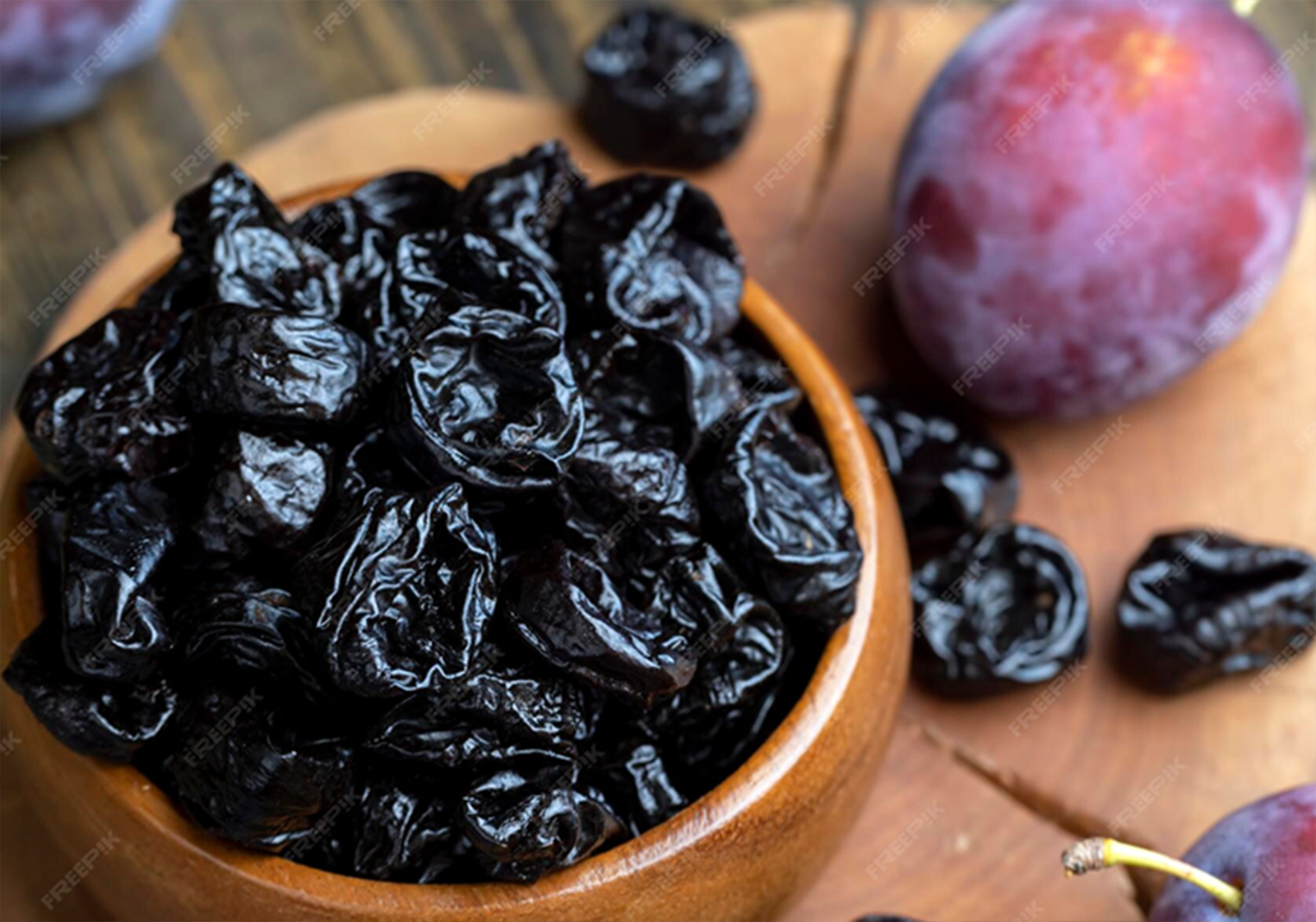
For decades, prunes were relegated to the back of the pantry, associated with digestive troubles, they were not nobody’s idea of a superfood.
Now that’s changed. Prunes — or dried plums, as the industry has tried to rebrand them — are now generating genuine excitement in nutrition research circles. Studies published in the last several years have linked regular prune consumption to meaningful improvements in bone density, gut health, cardiovascular markers, and inflammation. For older adults in particular, the case for adding a few prunes to your daily routine is strong.
Here’s what the science actually says, why prunes are particularly relevant for people managing chronic conditions, and which other dried fruits offer similarly impressive nutritional profiles.
What Makes Prunes So Nutritious?
Prunes are dried plums, and the drying process concentrates their nutrients considerably. A small serving — about 4 to 5 prunes, or roughly 40 grams — delivers a notable amount of:
- Vitamin K: Critical for bone metabolism and blood clotting. A single serving of prunes provides around 20–25% of the daily recommended intake.
- Potassium: Supports healthy blood pressure and heart function.
- Boron: A trace mineral that plays a supporting role in bone health and calcium retention — not found in significant amounts in many common foods.
- Copper: Involved in collagen formation, bone strength, and immune function.
- Manganese: Supports bone formation and antioxidant defense.
- Fiber: Both soluble and insoluble, supporting digestion, blood sugar regulation, and cholesterol management.
- Sorbitol and chlorogenic acids: Naturally occurring compounds that contribute to prunes’ well-known digestive effects.
- Antioxidants: Prunes are high in polyphenols, which help combat oxidative stress and inflammation.
Prunes have one of the highest ORAC (Oxygen Radical Absorbance Capacity) scores of any fruit — a measure of antioxidant activity. More antioxidant power per bite than blueberries, per some analyses.
The Bone Health Story: Where the Science Gets Interesting
The most compelling recent research on prunes centers on bone health — and it’s directly relevant to older adults, particularly postmenopausal women, who face significant bone density loss with age.
Several clinical studies, including research from Penn State University, have found that eating 5 to 6 prunes per day was associated with preventing bone density loss in postmenopausal women over a 12-month period. A larger dose of 10 to 12 prunes per day showed even greater protective effects.
Researchers believe prunes work through multiple pathways: their polyphenols may suppress bone breakdown (resorption), while their vitamin K, boron, and copper content actively support bone formation.
For context: osteoporosis affects roughly 10 million Americans, the vast majority of them older adults. Falls and fractures are one of the leading causes of hospitalization and loss of independence in people over 65. A food that shows genuine, research-backed potential to slow bone loss — without side effects — is worth interest.
Gut Health: More Than Just the Old Punchline
Yes, prunes help with constipation. But the gut health story is richer than that. Prunes contain both soluble and insoluble fiber, along with sorbitol and a compound called dihydrophenylisatin that gently stimulates intestinal movement. This combination makes them one of the most effective natural remedies for constipation which, for the record, affects up to 40% of older adults.
Beyond regularity, prune consumption has been shown to support a healthier gut microbiome — the community of bacteria that lives in the digestive tract and influences everything from immune function to mood to chronic disease risk. The prebiotic fiber in prunes feeds beneficial gut bacteria, supporting diversity and balance in the microbiome.
Heart Health and Inflammation
The potassium in prunes supports blood pressure regulation, a key concern for older adults, particularly those managing hypertension. But the cardiovascular benefits go further. The fiber in prunes has been shown to help lower LDL (“bad”) cholesterol, and their polyphenol antioxidants help reduce oxidative stress, which is a driver of arterial damage and cardiovascular disease.
Some research has also found that regular prune consumption is associated with lower levels of inflammatory markers like C-reactive protein (CRP). Chronic low-grade inflammation is increasingly understood as a root driver of many age-related conditions — including cardiovascular disease, type 2 diabetes, cognitive decline, and arthritis. Anti-inflammatory foods are a meaningful part of managing these conditions over time.
A Word on Sugar Content
The most common concern about prunes — and dried fruit generally — is sugar content. Prunes do contain natural sugars, and their glycemic index is moderate. For most people, including most people with type 2 diabetes, a small serving of 4 to 5 prunes is unlikely to cause problematic blood sugar spikes, particularly when eaten with other foods. The fiber content helps slow sugar absorption, moderating the glycemic response.
That said, if you’re managing diabetes or following a low-carbohydrate eating plan, it’s worth discussing dried fruit intake with your care team.
Other Dried Fruits Worth Knowing About
Prunes may be the current star, but they’re far from the only dried fruit with impressive nutritional credentials. Here are five others worth adding to your rotation:
Dried Figs
Figs are among the richest plant-based sources of calcium — important for both bone health and muscle function. They’re also high in potassium, magnesium, and fiber. A small serving of dried figs (about 3 to 4) delivers a meaningful dose of several key minerals.
Dried Apricots
Apricots are exceptionally high in beta-carotene, which the body converts to vitamin A — important for eye health, immune function, and skin integrity. They’re also a solid source of potassium and iron. One important note: many commercial dried apricots are treated with sulfur dioxide to preserve their orange color; if you’re sulfite-sensitive, look for unsulfured varieties, which are darker brown.
Dates
Dates are calorie-dense and higher in sugar than most dried fruits, but they also deliver impressive amounts of potassium, magnesium, copper, and B vitamins. Because of their higher sugar content, portion size matters more here — one or two dates as a natural sweetener or snack is a reasonable approach.
Dried Tart Cherries
Tart cherries — particularly Montmorency cherries — have been researched extensively for their anti-inflammatory properties. They’re rich in anthocyanins (the same class of compounds that make berries beneficial for blood pressure) and have shown promising results in studies of joint pain, exercise recovery, and sleep quality.
Raisins
The most familiar dried fruit on the list, raisins are a dependable source of potassium, iron, an